Root Canal Treatment: Signs, Timing, Cost & What to Expect
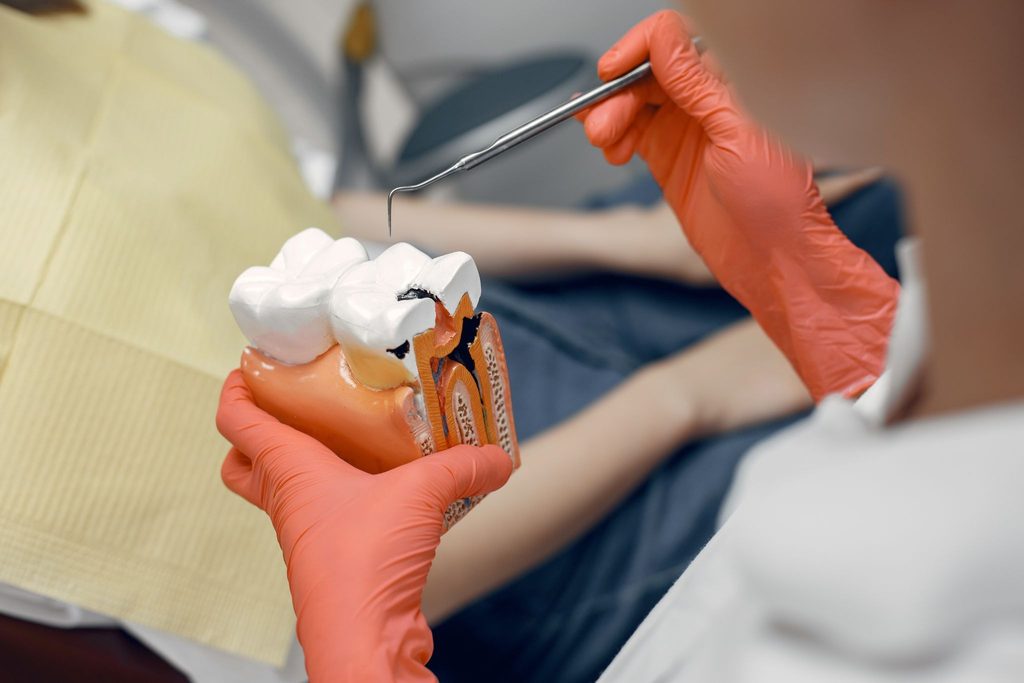
A root canal is needed when the pulp inside a tooth becomes infected or badly damaged. The signs aren’t always the same for everyone. You might have tooth pain that keeps coming back, sensitivity that hangs around after a hot or cold drink, pain when chewing, swelling around the tooth, or a tooth that has started looking darker. Don’t ignore symptoms that stick around. When the pulp is infected, the infection can move beyond the tooth, and affect the surrounding tissues. An early dental examination can help determine what’s actually causing the problem and whether the tooth can be treated. Root Canal Treatment removes the damaged pulp, cleans the inside of the tooth, and seals the root canals. Many cases can be completed in one or two appointments, although some teeth take longer. The total cost also varies. The tooth involved, treatment complexity, insurance coverage and the need for a crown or other restoration can all affect the final fee. How do I know if I need a root canal? You may need a root canal when the pulp inside a tooth has become severely inflamed or infected. A tooth doesn’t always hurt constantly, either. Sometimes the pain shows up when you bite down or drink something cold. Common signs include: There can be some overlap with other dental problems. A deep cavity, gum problem, cracked filling or exposed tooth root can cause similar symptoms. That’s why symptoms alone can’t confirm that a root canal is needed. A dentist can examine the tooth and, when necessary, take X-rays to find out what’s happening below the surface. Severe swelling deserves prompt attention. Fever, trouble swallowing or difficulty breathing can be signs of a spreading infection and should be treated as urgent dental or medical concerns. What happens during a root canal? Root Canal Treatment is performed to remove infected, or damaged pulp while keeping the natural tooth in place when the tooth can still be restored. You’ll receive local anesthesia first so you’re awake during the procedure but the treatment area is numbed. After that the dentist works through a small opening in the tooth to reach the pulp and root canals. The usual steps include: The aim is fairly straightforward: remove the damaged tissue, clean the inside of the tooth and keep the natural tooth if it can be restored. How long does a root canal take? A root canal often takes about 60 to 90 minutes per appointment, but that’s only a general range. Some teeth can be treated more quickly while others need additional time or another visit. The tooth itself matters. Molars often take longer because they can have more canals than front teeth. Infection, inflammation, unusual root shapes and the condition of the tooth can also affect how long treatment takes. If the final restoration isn’t ready on the same day the dentist may place a temporary filling to protect the tooth until the next step. After treatment, some tenderness is normal. You may notice soreness when biting for a few days. It shouldn’t keep getting worse, though. If pain becomes severe or continues to increase, contact our dental office. How much does a root canal cost in Union City, CA? The cost of a root canal in Union City, CA isn’t the same for every patient. It may cost roughly $700 to $1,800. There isn’t one flat fee because the treatment depends on the tooth, and the work it needs. A front tooth and a molar, for example, can have very different treatment requirements. Molars often have multiple canals which can make treatment more involved. Your total cost may be affected by several parts of care- Cost factor Why it can affect the cost Dental examination Helps determine the source of the problem and what treatment is needed X-rays Provide a closer look at the roots and surrounding structures Type of tooth Molars can require more involved treatment Number of visits Some cases require more than one appointment Dental insurance Coverage, deductibles, and out-of-pocket costs vary by plan Final restoration A crown or another restoration may be needed after treatment Additional treatment Infection or significant tooth damage can change the treatment plan The best way to get a realistic estimate is to have the specific tooth examined and ask the dental office what treatment is being recommended. Insurance benefits can often be reviewed before treatment starts, which can make the expected out-of-pocket cost easier to understand. And yes, cost can make people hesitate. That’s understandable. The problem is that delaying treatment doesn’t necessarily make the dental bill smaller. If an infection spreads or the tooth becomes harder to restore treatment may become more involved. Ask about insurance coverage and available payment options before making a decision. Can a root canal save a damaged tooth? Yes, in many cases. Root Canal Treatment can preserve a natural tooth when the pulp is infected or permanently damaged and enough healthy tooth structure remains to support a restoration. Keeping the natural tooth can allow you to continue chewing normally without immediately moving to extraction and replacement. But a root canal can’t fix every type of tooth damage. A severe fracture, particularly one that extends below the gumline, can leave the tooth impossible to restore. Extensive structural damage can create the same problem. At Dream Smile Dental, our dentist will look at the tooth, roots, surrounding bone, and remaining tooth structure before deciding whether the tooth has a reasonable chance of being restored and maintained. For more information call us at 510-431-5399 or email us at info@dreamsmiledentalcare.com Frequently Asked Questions How do I know if tooth pain means I need a root canal? Persistent pain, sensitivity that lingers after hot or cold foods, pain when biting, swelling, or a small gum bump can point to pulp damage or infection. They’re not proof of a root canal problem, though. Cavities and gum conditions can produce similar symptoms, so an examination may be needed. Can a root canal be completed in
Invisalign, Whitening & Cosmetic Dentistry: Options for a Better Smile

A smile can bother you for a pretty specific reason. Maybe your teeth look darker than you’d like. Maybe there’s a gap that catches your attention every time you look in the mirror. Crooked teeth, worn edges, an old filling, or a damaged tooth can also change the way a smile looks. The treatment depends on what you want to change. Cosmetic dentistry treatments include options such as professional teeth whitening, clear aligners, veneers, crowns and other dental restorations. Some treatments are mainly about appearance. Others improve the look of a tooth while also restoring its strength or function. Before choosing anything, it’s worth knowing what each treatment is designed to do. What is the difference between a dental crown and a bridge? A crown covers a tooth that’s still there. A bridge replaces a missing tooth or teeth. Both can be part of cosmetic dentistry treatments, depending on the condition and appearance of the teeth. Crowns are commonly used when a tooth has been weakened by decay, a large filling, a fracture or root canal treatment. The crown fits over the remaining tooth and restores its shape, and function. A bridge fills the space left by a missing tooth. The replacement tooth known as a pontic, is supported by crowns or another type of support connected to the teeth next to the gap. Dental implants can also be used as support in some cases. The difference is fairly straightforward. A crown restores a damaged tooth. A bridge fills a space where a tooth is missing. Your dentist will look at the surrounding teeth, the location of the missing tooth, your bite, and other factors before deciding which option makes sense. How long do dental crowns last? A dental crown can often last around 10 to 15 years. Some last longer. There’s no fixed expiration date, though. How long a crown stays in good condition can depend on chewing forces, teeth grinding, oral hygiene, the material used, and the condition of the tooth underneath. The tooth beneath the crown still needs care. Plaque can collect around the gumline, and decay can develop if the area isn’t cleaned well. Keep brushing twice a day and clean between your teeth. Regular dental visits matter too. They give your dentist a chance to check both the crown, and the tooth supporting it. Is Invisalign a good option for adults? For many adults, yes. Invisalign uses clear, removable aligners to gradually move the teeth. Since you can take them out for meals and brushing they can be easier to fit into a normal daily routine than fixed braces. And they’re less noticeable. That’s one of the reasons some adults prefer clear aligners, especially when orthodontic treatment needs to fit around work or social situations. Still, Invisalign isn’t suitable for every orthodontic problem. The amount of movement needed matters. So does the condition of your teeth and gums. You also need to wear the aligners as directed for the treatment to stay on track. You don’t have to have severely crooked teeth to ask about Invisalign. An evaluation can show whether clear aligners are capable of making the changes you want. How long does Invisalign treatment take? Invisalign treatment commonly takes several months to around 18 months but there isn’t one timeline that works for everyone. A mild alignment problem may take less time, while significant crowding, or bite changes can require a longer treatment period. Treatment involves a series of clear aligners. Each set makes a small adjustment to the position of the teeth before you move on to the next one. Wearing the aligners as recommended matters. Taking them out too often, or wearing them for less time than advised may slow treatment. Your dentist or orthodontic provider can give you a more specific estimate after examining your teeth, and planning the movements needed. How much does Invisalign cost in Union City, CA? The cost of Invisalign in Union City, CA varies from patient to patient. Treatment complexity and the expected length of treatment can affect the price. Your dental plan may also affect what you pay out of pocket. For example, a relatively simple alignment case may cost less than treatment involving significant crowding or bite correction. Depending on your plan and eligibility, insurance benefits, flexible spending accounts, or health savings accounts may also help with eligible expenses. Some dental offices offer payment plans that spread the cost across the treatment period. There’s no single Invisalign price that applies to everyone. The most useful way to get an estimate is to have an examination, and discuss the proposed treatment plan. Before starting, ask what the total fee covers. It’s also worth asking about insurance benefits and whether any additional costs could come up during treatment. What is the difference between Invisalign and traditional braces? Both treatments move teeth. They just use different methods. Traditional braces use brackets, and wires that stay attached to the teeth during treatment. The wires apply controlled pressure as the teeth gradually move. Invisalign uses clear aligners instead. Each set is worn for a specified period before being replaced with the next set. The difference is noticeable in everyday life. Invisalign aligners can be removed when you eat and when you clean your teeth. Traditional braces stay in place. Clear aligners are also less visible. That doesn’t mean Invisalign is suitable for every case. Some complex tooth movements may be better managed with fixed braces, while other cases can be treated with clear aligners. The treatment choice should be based on the tooth movement that’s actually needed. How long does professional teeth whitening last? Professional teeth whitening can last one to three years, although the effect gradually fades. Your habits have a lot to do with it. Coffee and tea can stain teeth over time. So can red wine, tobacco, and some foods. Whitening changes the shade of natural teeth. It doesn’t permanently change their color, so some people choose touch-up treatments when the results begin to
First Dental Visit & Emergency Care: What Patients Should Know
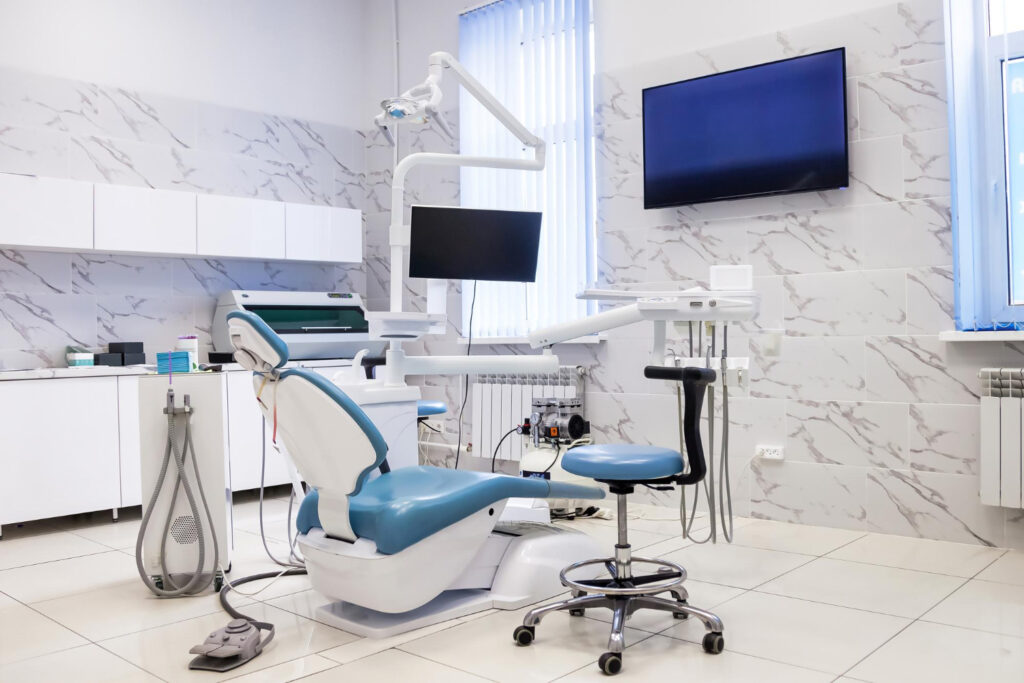
Your first dental appointment usually covers your medical history, a close look at your teeth and gums, and a conversation about any treatment you may need. Severe tooth pain, swelling or an injury to your mouth may call for emergency dental care rather than a routine slot. Knowing what to bring and which symptoms to mention helps with either kind of visit. Maybe you’re returning after years away, or a tooth woke you up at 3 a.m. The second situation is harder to judge. Do you wait for a regular slot, or call right now? At Dream Smile Dental, we want you to know what happens during a visit and when a problem can’t wait. Here, we walk through what to expect, how to handle common injuries, and how to reach us in Union City, California. What should I expect during my first dental visit? Your first appointment starts with a conversation. We ask about your medical and dental history, examine your mouth and talk through what we find. What follows depends on your oral health and why you came in. Before you arrive Bring your medication list, any allergies or medical conditions, and records of earlier dental work if you have them. Note any symptoms you’ve noticed. You can also complete our Dream Smile Dental patient forms beforehand to save time at the front desk. During the examination We check your teeth, gums and bite. If X-rays could show something we can’t see directly, we may suggest them. If we recommend a filling or another procedure, you should hear why it’s needed, what it involves and whether other options exist. The decision stays with you. What should I do if I have a severe toothache? Call a dentist promptly if the pain is severe, persistent or getting worse. Toothaches can come from decay, a cracked tooth, inflammation or infection. What to do before your appointment Rinse gently with warm water, and floss with care if food may be trapped. A cold compress on the outside of your cheek can help if swelling starts. Ask a pharmacist or your doctor which pain reliever is safe for you, especially if you take other medication. Follow the label, and never place aspirin directly on a tooth or gum, because it can burn the tissue. When a toothache becomes urgent Severe pain, facial swelling, fever or worsening symptoms need prompt assessment, and this is where emergency dental care matters most. Painkillers can mask a problem without treating it. Seek emergency medical help right away if you struggle to breathe or swallow, or if swelling spreads quickly across your face or neck. MedlinePlus toothache guidance lists common causes and warning signs. Which dental emergency signs need prompt attention? How much damage there is, your symptoms and how fast they change decide how soon you need care. A tiny chip isn’t the same as a knocked-out tooth. Signs that shouldn’t be ignored Contact a dentist promptly if you have: We still need to examine the tooth to know the right treatment. What to do if a tooth breaks or gets knocked out For a broken tooth, rinse gently with warm water, save any pieces and avoid chewing on that side until we’ve seen it. A knocked-out permanent tooth is time-sensitive. Hold it by the crown, never the root. If you can, ease it back into its socket without forcing it; otherwise, keep it moist in milk or a tooth-preservation solution and get to a dentist immediately. The gap between injury and treatment can decide whether the tooth is saved. The MedlinePlus guide to broken or knocked-out teeth gives more first-aid detail. Where can I get emergency dental care near Union City? If you’re in Union City, California, call us to talk through an urgent problem and ask about emergency dental care availability. We provide general and family dentistry along with restorative care such as fillings, crowns and root canal treatment. Tell us what happened, when it started, and whether you have swelling, bleeding or severe pain. An urgent slot isn’t guaranteed, especially outside regular hours. Our office is at 33141 Alvarado Niles Road, Union City, CA 94587. Our open hours are Monday, Wednesday and Friday from 9 a.m. to 6 p.m., Tuesday from 9 a.m. to 5 p.m., and Saturday from 8 a.m. to 2 p.m. We’re closed Thursdays and Sundays. Check our contact page before travelling, since holidays can change things. If we can’t see you in time, find another provider that handles urgent cases. For trouble breathing or swallowing, fast-spreading facial swelling or any life-threatening symptom, go straight to a hospital emergency department. How should I prepare for a routine checkup or urgent appointment? For a routine checkup, note what has changed since your last visit. For urgent symptoms, focus on when the problem began and how it has developed. Mention medication you’ve taken, medical conditions and allergies, and if an accident damaged a tooth, describe how it happened. It also helps to browse our dental services beforehand and note your questions. Conclusion You don’t have to know what’s wrong with a tooth before asking for help. Tell us what you feel, when it started and what makes it worse. If the problem hurts or followed an injury, say so when you call so we can judge how soon to see you. Emergency dental care works best when we hear about the problem early. Frequently Asked Questions Do I need dental X-rays at my first appointment? No. We weigh your history, symptoms and examination findings first. Can I eat before a routine dental checkup? Yes. For a specific procedure, follow any instructions we give you. Can a broken tooth wait until next week? Please don’t assume it can. Call for advice, especially if it hurts, feels loose or came from an injury. Does tooth pain always mean I need a root canal? No. Pain has several possible causes, and we need to examine the tooth first. What should I do if my
Does Everyone in Your Family Need Dental Checkups on the Same Schedule?
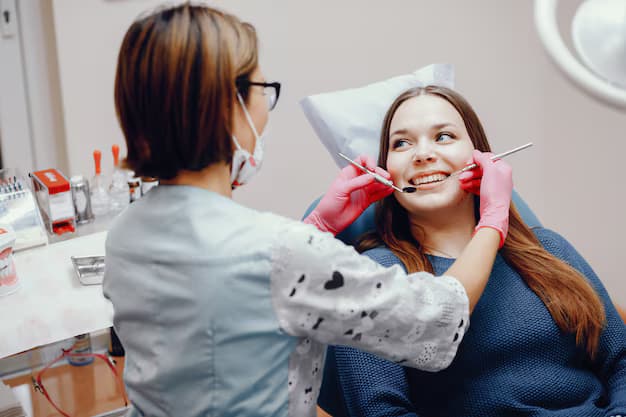
Families often try to organize dental appointments together. It is convenient, especially when several people use the same practice. But convenience does not mean everyone needs to return to the dentist at exactly the same interval. A child, teenager, parent, or older adult may have different oral health circumstances that affect when another visit is recommended. A family dentist can care for several members of one household while still developing an individual schedule for each person. At Dream Smile Dental, we look at the person’s current needs rather than assuming that an entire household should follow one calendar. The “Twice a Year” Rule Is Not a Universal Schedule Many people grew up hearing that everyone should see the dentist every six months. That can be a familiar routine, but it should not replace individualized guidance. The American Dental Association notes that there is not enough evidence to establish one optimal recall interval for every patient and supports tailoring recall intervals to individual needs and disease risk. That means two people living in the same house may reasonably receive different recommendations. One person may return in six months. Another may be asked to come back sooner because a particular concern is being monitored. Someone else may have a longer interval based on their current oral health and treatment history. The schedule should have a reason behind it. Children and Adults Do Not Have the Same Dental Priorities A child’s mouth is developing. Baby teeth are being replaced, permanent teeth are erupting, and the bite can change as the child grows. That can create monitoring needs that do not apply to the child’s parents. Adults may have a different history. Previous restorations, gum health, tooth wear, or ongoing treatment can affect what needs to be reviewed and when. This is one reason a family dentist should not simply assign the same return date to everyone in the household. The practice can remain the same while the care plan changes from person to person. Previous Dental Problems Can Change the Schedule Your dental history matters. A patient who has experienced repeated cavities may receive different preventive guidance from someone who has had fewer problems. Someone with a history of gum disease may also have different maintenance needs. Previous treatment can matter as well. A patient who recently received restorative treatment may have a follow-up appointment connected to that treatment. Another family member who has no active treatment may only need a routine examination. The difference does not mean one person is receiving more attention than another. It reflects what is happening in each person’s mouth at that time. Active Treatment Can Create a Temporary Schedule Routine dental visits are only part of dental care. If someone is receiving treatment, appointments may be closer together for a period of time. The schedule could change again once the treatment is completed. For example, a patient receiving restorative care may have a follow-up visit related to that treatment. Someone undergoing orthodontic care may have appointments determined by that treatment plan. This makes it difficult to compare one family member’s appointment schedule with another’s. At Dream Smile Dental, we can explain whether a recommended appointment is part of routine preventive care, follow-up, or active treatment. A Family’s Dental Schedule Can Change A person’s dental schedule is not necessarily permanent. A change in oral health can lead to a different recommendation. A completed treatment plan can change the need for follow-up. A child moving through a new stage of dental development may also have different monitoring needs over time. That means parents should not assume that the schedule recommended last year will automatically remain appropriate forever. The same applies to adults. If something changes, ask whether the recommended interval should change with it. Questions to Ask About Your Family’s Appointments If several people in your household receive care from the same family dentist, it can be helpful to ask why each person’s next appointment is scheduled when it is.You can ask: These questions can help you understand the reason behind different schedules. They can also prevent a common mistake: assuming that another family member’s appointment pattern should determine your own. One Practice Does Not Mean One Care Plan One reason families choose a family dentist is that having one practice can make dental care easier to organize. Parents may know where to call, and keeping track of appointments can be simpler. But the convenience of one practice should not turn into a one-size-fits-all approach. A child’s dental needs may differ from a parent’s. Two siblings may also receive different recommendations. Those differences are not unusual. The ADA’s guidance supports individualized recall recommendations based on assessed risk rather than relying on one universal interval. Your Family Can Share a Dentist Without Sharing a Calendar At Dream Smile Dental, we can care for several members of a household while keeping each person’s needs separate. If everyone in your family happens to have the same recommended appointment interval, that may be appropriate. If the schedules are different, that can make sense too. A family dentist can help organize care for the household without treating everyone’s dental needs as identical. The useful question is not simply how often everyone else goes. Ask why a particular schedule has been recommended for you or your child, and what could cause that recommendation to change.
How Can Parents Prepare for Dental Care When a Child Has Special Health Care Needs?
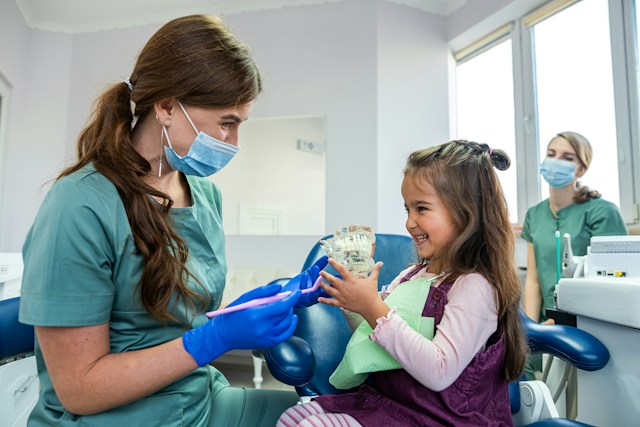
A dental appointment can require a little more preparation when a child has special health care needs. Medical conditions, sensory differences, communication preferences, mobility concerns, or previous difficult experiences may affect how a child responds to dental care. Parents often know these details better than anyone else, which makes their input useful before an appointment even begins. At Dream Smile Dental, we want parents to feel comfortable telling us what helps their child and what has caused problems during previous health care visits. The American Academy of Pediatric Dentistry recognizes that children with special health care needs may require adaptations or accommodations beyond routine dental care. Start With What Your Child Needs Before an appointment, think about how your child communicates, handles unfamiliar environments, and responds to physical sensations. These details can help a dentist for children understand your child’s needs before the visit. You do not need to prepare a long document. A few specific examples are often more useful than saying that your child simply dislikes medical appointments. For instance, you might explain that your child becomes uncomfortable with unexpected sounds or prefers instructions to be given one step at a time. That gives the dental team something practical to work with. Share Relevant Medical Information Your child’s medical history can be important to dental care. Before the appointment, make sure the office knows about relevant medical conditions, medications, allergies, recent changes in health, or instructions from another healthcare provider. Previous dental experiences are worth mentioning, too. If your child had a difficult appointment in the past, tell us what happened. If a particular approach helped, share that information as well. The goal isn’t to label the child according to one previous experience. It is to give the dental team useful background before trying something new. The AAPD recommends individualized care for children with special health care needs and notes that coordination with medical and other dental providers may sometimes be necessary. Ask About Accommodations Before the Appointment Some parents wait until they arrive at the office to explain what their child needs. If you already know that certain accommodations are helpful, mention them when scheduling. You might ask whether you can discuss your child’s needs with the dental team before the appointment. You can also ask what information the office would like you to bring. A child may benefit from additional preparation time, a quieter approach, or a familiar communication method. Another child may need something completely different. This is why searching for a special needs dentist for children can lead parents to many different types of practices and services. The important question is whether the dental team can understand your child’s individual needs and determine what accommodations are appropriate. What About Sedation? Parents may encounter the phrase sedation dentist for children while researching care for a child who has difficulty cooperating during dental treatment. Sedation is not automatically necessary because a child has special health care needs or feels uncomfortable during dental visits. Whether it is appropriate depends on the individual child, the planned procedure, medical history, level of cooperation, and other clinical considerations. If sedation is discussed, ask why it is being considered and whether other approaches may be appropriate. The AAPD has separate guidance covering pediatric sedation and emphasizes patient evaluation, monitoring, and appropriate safety measures. At Dream Smile Dental, we want parents to understand the reason behind a recommended approach rather than feeling that they need to make a decision without enough information. Explain How Your Child Communicates Communication can be particularly important when a child has difficulty describing discomfort or responding to unfamiliar questions. Tell the dental team how your child communicates pain, confusion, fear, or the need for a break. If your child uses visual communication, assistive communication, gestures, or another method, mention that before the appointment. It can also help to explain what kind of instructions your child understands most easily. Some children respond well to short, direct explanations. Others may need more time or benefit from knowing what will happen before it happens. There is no single communication method that works for every child. Bring Information From Other Providers When Appropriate If another healthcare provider has given you information that could affect dental care, ask whether the dental team needs it. This may include medication information, relevant medical instructions, or details about a condition that could affect treatment planning. You do not need to decide which information is clinically important on your own. Tell the dental office what has changed and ask what should be included in your child’s record. Good communication between healthcare providers can be particularly useful when a child’s dental care is affected by a complex medical situation. Preparation Can Continue After the First Visit The first appointment does not have to answer every question. Your child may become more comfortable as the dental environment becomes familiar. The dental team may also learn more about what works for your child during future visits. If something helped during one appointment, tell us. If something made the experience harder, tell us that too. At Dream Smile Dental, we see this as an ongoing conversation rather than a one-time checklist. A child’s needs can change with age, development, and health, so dental care may need to change with them. Give Your Child’s Dental Team a Better Starting Point Finding a dentist for children is only part of preparing for care when a child has special health care needs. Parents can also help by sharing relevant medical information, explaining communication preferences, and discussing previous experiences before treatment begins. You do not need to predict exactly how the appointment will go. Bring the information you have, ask questions, and explain what helps your child. At Dream Smile Dental, we want that information to be part of the conversation from the beginning. Individualized dental care starts with understanding the individual child.
Shark Teeth in Children: When Should Parents Call the Dentist?
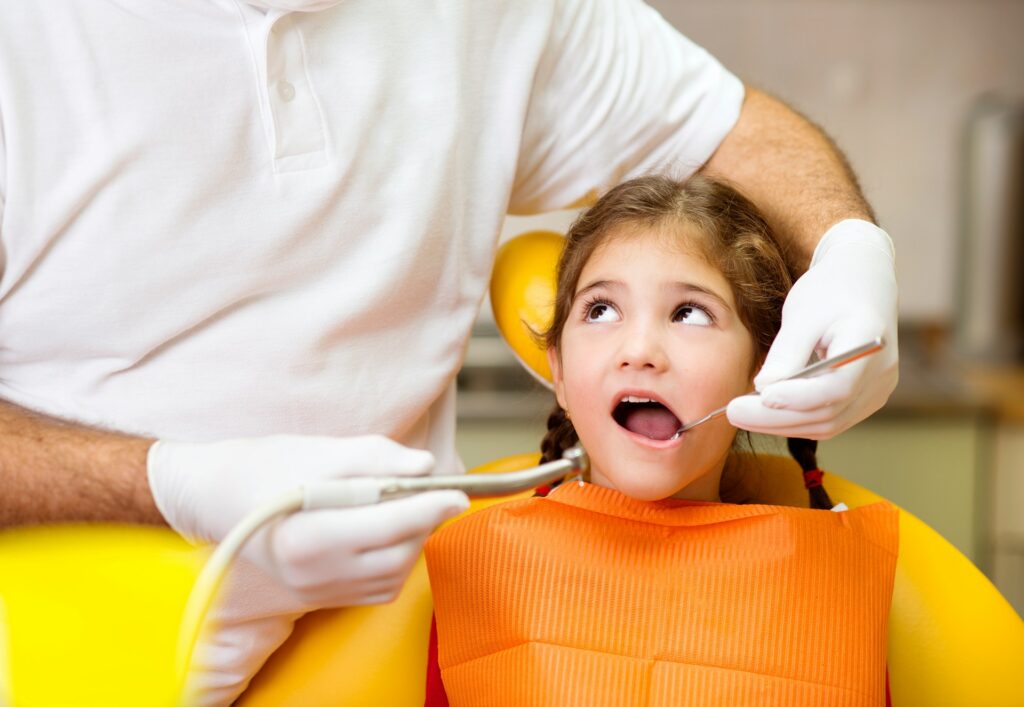
Seeing what looks like a second row of teeth in your child’s mouth can catch you completely off guard. Parents often use the term “shark teeth” when a permanent tooth begins appearing while the baby tooth is still there. The appearance can be surprising, but it does not automatically mean that something is seriously wrong or that the baby tooth needs to be removed immediately. If you are searching for a pediatric dentist in Union City after noticing this in your child’s mouth, the useful first step is understanding what may be happening and what information can help a dentist assess it. What Are “Shark Teeth”? “Shark teeth” is an informal term for a permanent tooth that starts erupting while the corresponding baby tooth remains in place. The permanent tooth may appear behind or slightly to the side of the primary tooth, creating the impression of two rows. Tooth eruption does not always happen in a perfectly predictable sequence. The AAPD’s guidance on developing dentition addresses eruption disturbances and emphasizes clinical examination and appropriate diagnostic information when assessing developing teeth. So the appearance alone does not tell a parent what should happen next. Why Can a Permanent Tooth Appear Before the Baby Tooth Falls Out? Baby teeth normally loosen as their permanent successors develop. Sometimes a permanent tooth begins to emerge before the baby tooth has fully loosened. This can make the permanent tooth visible while the primary tooth is still present. Parents may notice this most clearly around the lower front teeth, although eruption concerns can occur in other parts of the mouth as well. Rather than focusing only on how unusual the tooth looks, pay attention to what is happening over time. Those observations can give your dental team useful information. Does the Baby Tooth Always Need to Be Removed? No Parents should not assume that every retained baby tooth must be pulled as soon as a permanent tooth becomes visible. The dentist may consider factors such as the child’s stage of dental development, the position of the teeth, whether the baby tooth is loose, available space, and how eruption is progressing. In some situations, observation may be appropriate. In others, an examination may show that intervention deserves consideration. The AAPD states that management of developing dentition should be based on appropriate diagnosis and clinical findings, with treatment timing determined according to the individual situation. That is why there is no single home rule that applies to every child. When Should Parents Call the Dentist? Seeing what looks like shark teeth does not necessarily make the situation an emergency. However, parents should feel comfortable contacting the dental office when they are unsure what they are seeing or when something does not appear to be progressing normally. An appointment may be worth discussing if: These observations do not tell you what the problem is. They simply give you good reasons to ask whether your child should be examined. What Might the Dentist Check? A dental examination can provide information that parents cannot easily determine at home. The dentist may look at the position of the primary and permanent teeth, how loose the baby tooth is, the developing bite, and whether there appears to be an eruption concern. Depending on the child’s age, dental development, and clinical findings, the dentist may also determine whether an X-ray would provide useful information. The AAPD recommends that dental radiographs for children be prescribed according to the individual patient’s age, stage of development, clinical findings, history, and risk factors rather than automatically. The purpose of an evaluation is not automatically to begin treatment. It is to understand what is happening and decide whether monitoring or another step is appropriate. At Dream Smile Dental, we want parents to understand what we see and why we recommend the next step. What Should Parents Avoid Doing at Home? It can be tempting to speed things up when a tooth looks out of place. Do not try to pull out a baby tooth simply because a permanent tooth has appeared behind it. Avoid repeatedly pushing or manipulating the permanent tooth as well. Instead, help your child keep the area clean and pay attention to changes. If the baby tooth becomes increasingly loose, make a note of that. If your child develops pain, swelling, or another concern, contact the dental office. You do not need to solve the eruption problem yourself before seeking advice. The Appearance Can Be More Alarming Than the Situation A second-looking row of teeth can be unsettling, especially when a parent sees it for the first time. But the appearance does not provide enough information to determine whether treatment is needed. A pediatric dentist in Union City can evaluate the developing teeth and explain whether the eruption appears to be progressing as expected or whether closer attention is appropriate. At Dream Smile Dental, we encourage parents to ask when something about their child’s developing smile looks unusual. You do not need to diagnose it before calling us. Tell us what you have noticed, and we can help determine whether an examination is appropriate. If you are looking for a pediatric dentist in Union City, the goal should not be to find an immediate answer from a photo or a search result. A child’s developing teeth need to be considered in context. A pediatric dentist in Union City can assess that context and explain what the next step should be.
One Dentist, Different Needs: How a Family Dentist Handles Checkups, Repairs, and Cosmetic Concerns Under One Roof
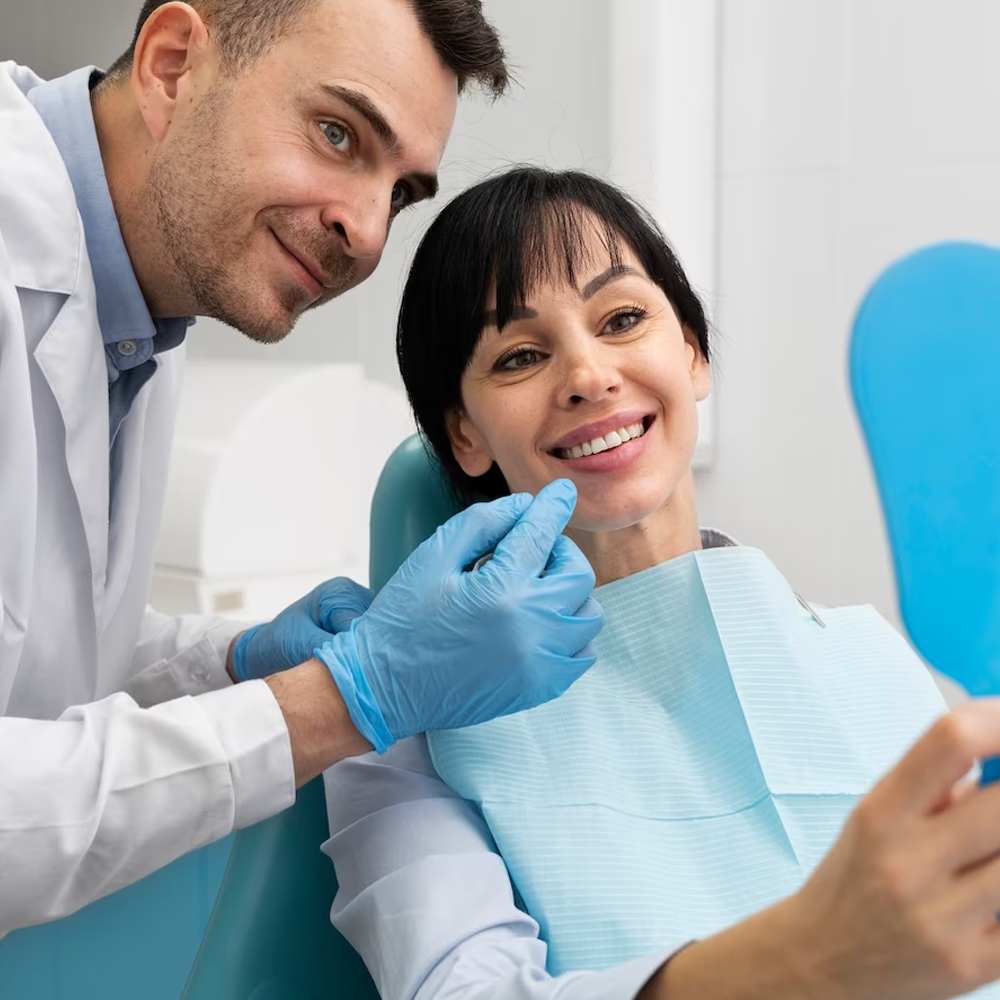
Consistent dental care gets a lot easier when one practice can address changing needs, instead of treating every appointment like an isolated event. Having your preventive, restorative, and cosmetic needs managed through one coordinated practice makes treatment much easier to understand and follow. A family dentist can also keep recommendations connected as your oral health needs shift over the years. For a lot of households, a family dentist provides continuity from preventive visits all the way through restorative and cosmetic care. The goal was never to recommend treatment simply because it’s available. It’s understanding your oral health, listening to your concerns, explaining the actual options, and building a plan that fits you specifically. Why routine checkups still matter Checkups are the foundation of dental care, even when absolutely nothing hurts. Cavities, gum problems, enamel wear, and other concerns can develop without any obvious symptoms at all. Regular exams let a dentist catch changes that are genuinely hard to notice on your own at home. A routine visit usually includes an examination of the teeth and gums, a review of your oral hygiene habits, and X-rays when clinically appropriate. At Dream Smile Dental, the approach leans on preventive and restorative care alongside real patient education. Understanding what’s happening in your mouth makes it much easier to keep up good habits between our appointments together. When a tooth needs more than a cleaning Not every dental problem can be handled with prevention alone. A cavity might need a filling, a damaged tooth might need a crown, or an infection might call for root canal treatment. Restorative dentistry aims to bring damaged teeth back toward useful function while protecting whatever tooth structure remains. Tooth-colored fillings can repair certain areas of decay, while crowns come into play when a tooth needs more substantial protection. Inlays and onlays are also options for specific types of damage that don’t fit neatly into either category. A family dentist who already knows your history can connect a current problem with previous treatment, preventive habits, and your broader oral health goals, instead of starting from zero every visit. Cosmetic concerns are part of the conversation Dental care isn’t only about pain or disease. A lot of people also care about how their teeth actually look. Staining, uneven edges, worn enamel, visible older restorations, or mild alignment concerns can all affect how comfortable someone feels smiling in photos, or in general. A family dentist can talk through cosmetic options after first considering the condition of the teeth and gums underneath. Depending on the concern, possibilities might include professional whitening, veneers, bonding, crowns, or clear aligners. Not every cosmetic treatment fits every patient, so an evaluation should always come before choosing a procedure, not after. Cosmetic dentistry gets combined with a real evaluation of oral health and individual goals. Our options include professional whitening, Lumineers, Invisalign, and full porcelain crowns, supported by digital technology like the iTero scanner. One practice can simplify treatment planning Managing dental care across multiple offices makes it harder to keep track of recommendations, records, and follow-up visits. A family dentist offers a much more connected experience when preventive, restorative, and cosmetic concerns can all get discussed within the same practice, at the same visit if needed. If someone comes in for a cleaning but mentions sensitivity, an old restoration, or dissatisfaction with tooth color, those concerns can get folded into the routine examination instead of requiring a whole separate appointment. Clear communication matters most when treatment involves real choices. Patients should understand why a procedure is being suggested, what alternatives exist, the expected benefits, and what ongoing care might be required. We believe this gives everyone a much better shot at making decisions with real confidence. What to expect from a patient-focused approach A useful dental relationship is built on more than just a list of procedures. It depends on communication, comfort, consistency, and long-term trust. A good family dentist makes room for questions and explains findings in language patients can actually follow. Dream Smile Dental’s philosophy centers on listening to individual concerns rather than rushing patients through appointments. The practice also works with specialists in areas including periodontics, implant dentistry, and endodontics whenever more specialized care is needed. Instead of trying to figure out which type of dental office to call for every different concern, patients can start with one familiar team that already understands their history and can help determine the right next step. When one dental home makes sense A family dentist can be a genuinely practical choice for households that want consistent care across different stages of life. Children, adults, and older family members all have different dental needs, but every one of them benefits from regular prevention and a clear record of past care. Someone might start out with routine cleanings, later need restorative treatment, and eventually get interested in improving the way their smile looks. Having one established dental relationship makes those transitions much easier to navigate than starting fresh with a new office each time. The important point isn’t simply having a lot of services under one roof. It’s having care actually organized around the patient, rather than around individual procedures treated separately. Conclusion Dental needs rarely stay the same forever. A family dentist helps connect routine checkups, restorative treatment, and cosmetic concerns into one clear, understandable care plan. At Dream Smile Dental, we focus on individual needs, preventive education, restorative options, and cosmetic treatments, all while keeping the approach centered on the patient. Whether you need a routine exam, help with a damaged tooth, or guidance on improving your smile, the best starting point is a thorough evaluation and an honest conversation. When care is coordinated under one roof, patients get to make informed choices with more confidence and a clearer view of their long-term oral health.
When a Child Refuses to Open Their Mouth: What Parents Should Expect From a Dentist for Children

A child refusing to open their mouth at a dental appointment can leave parents feeling embarrassed, frustrated, or just unsure what to do next. Here’s the important part: resistance doesn’t mean a child is being difficult, or that the visit has failed. Fear of unfamiliar sounds, tools, people, or sensations is common at this age. A good dentist for children understands that cooperation can take time, and that trust usually has to come before treatment, not the other way around. Why children may refuse to cooperate A moving dental chair, bright lights, unfamiliar instruments, or suction sounds can feel genuinely overwhelming to a small child. One who’s experienced discomfort before might also connect the dental office with that old memory, fair or not. Your child might also just be tired, hungry, shy, or uncomfortable around unfamiliar adults. Young kids have limited ways to explain anxiety, so refusing to open their mouth can simply mean “I don’t feel ready yet.” Try not to turn the appointment into a battle. Threats or shame tend to increase stress and make future visits harder not easier. Calmly acknowledge how your child is feeling and let the dental team guide the interaction from there. What happens when a child says no? When a child refuses to cooperate, a good dentist for children can slow down, and adjust the visit instead of pushing forward on schedule. A patient approach helps kids build trust without feeling pressured into anything. This approach helps children feel respected and understood, rather than managed. Over time, dental visits become familiar instead of intimidating. What should parents expect from the appointment? Expect some flexibility built into the visit. A first appointment can involve more conversation than actual treatment, especially if a child is anxious. The dentist might try a visual exam once the child seems ready, check the teeth and gums, talk through brushing habits, and explain what to expect at future visits. If a complete exam can’t happen that day, that doesn’t mean nothing was accomplished. Building familiarity is a real first step, not a wasted trip. A good dentist for children explains findings and recommendations in language parents can actually understand. If treatment is needed, ask what was found, why it matters, and what options exist. Clear communication is what lets parents make informed decisions without feeling rushed into anything. How parents can prepare before the visit Preparation really starts at home. Tell your child about the dental visit, but avoid describing it as scary or painful. Use simple, neutral words instead. Something like, “The dentist is going to look at your teeth and help us keep them healthy” works well. Avoid promising the dentist won’t do anything at all. Instead, explain that the dentist will tell them what’s happening as it happens, and that they’re allowed to ask questions along the way. A comfort item can help if the office allows it. Arriving early enough to settle in matters too, rushing through the door tends to make a nervous child feel even more overwhelmed right from the start. When anxiety continues Some children need more than one visit to feel comfortable. That’s not necessarily poor cooperation on their part. Dental anxiety can come from temperament, past experiences, sensory sensitivity, or just a fear of unfamiliar situations in general. If your child becomes extremely distressed, mention it to the dental team before the appointment starts. A dentist for children can talk through appropriate ways to make the visit more manageable for your specific child. Tooth pain, swelling, persistent bleeding, a broken tooth, or an injury to the mouth shouldn’t simply get delayed because a child is nervous. Contact the dental office and explain what happened so the team can advise you on next steps right away. Building a better dental relationship The goal was never one perfect appointment. It’s helping children develop a genuinely healthier relationship with dental care over time. Calm experiences, clear explanations, and consistent preventive visits all make the dental setting feel less unfamiliar, visit after visit. We want parents to feel comfortable sharing concerns before an appointment, not just during it. Our team can better support a child when we already know about previous dental experiences, specific fears or situations that tend to cause distress. At Dream Smile Dental, compassionate care and individual patient needs come first, rather than rushing through visits to stay on schedule. A dentist for children can monitor oral health as kids grow, provide preventive guidance, and catch concerns that might not be obvious at home. Regular dental care still matters even when a child has no pain, since early problems often don’t cause any noticeable symptoms at all. Conclusion When a child refuses to open their mouth, the answer is rarely to push harder. A patient, child-focused approach reduces fear and builds trust gradually, over several visits if that’s what it takes. Parents can prepare kids with honest explanations, share concerns with the dental team ahead of time, and understand that progress often happens in small steps. The right dentist for children considers both oral health and the child’s actual experience in the chair. A trusted dentist for children also helps parents understand what to expect at every stage. With patience, communication, and regular preventive care, a difficult appointment can become the start of a much more comfortable dental routine.
Why Are My Teeth Still Yellow After Whitening? The Stains That Cosmetic Tooth Whitening May Not Fix
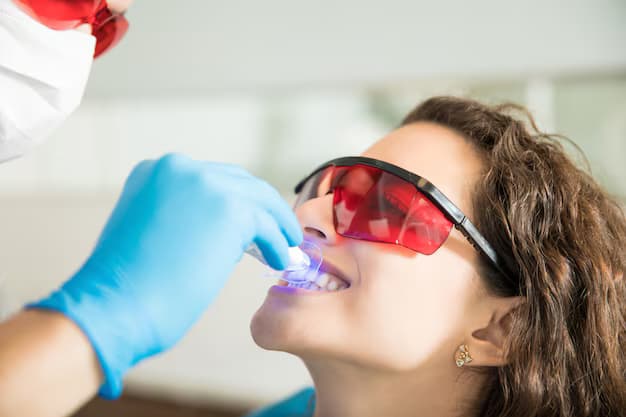
You went through cosmetic teeth whitening expecting a noticeably brighter smile, but your teeth might still look yellow or uneven afterward. That doesn’t always mean the treatment failed. Tooth color depends on several factors at once, including the type and depth of staining, your natural enamel and dentin shade, age-related changes, and any existing dental restorations. Some discoloration sits right on the surface and responds well to whitening. Other stains develop within the tooth itself and end up much harder to shift. Understanding what’s actually causing the discoloration helps you choose a safer, more suitable approach to cosmetic whitening going forward. Why whitening doesn’t remove every type of discoloration Cosmetic teeth whitening works by lightening the compounds responsible for tooth discoloration. It can be genuinely effective for a lot of surface and deeper stains, but the results always depend on the underlying cause. Surface stains are often tied to coffee, tea, red wine, and other strongly pigmented foods. These tend to respond well to professional cleaning and cosmetic whitening together. Intrinsic discoloration is a different story, since it develops inside the enamel or dentin itself. Age-related changes, certain medications taken during tooth development, fluorosis, trauma, and some dental conditions can all contribute to this deeper kind of discoloration. If yellowing comes mainly from natural dentin showing through thinner enamel, whitening can brighten the tooth without ever getting it to fully white. Your fillings, crowns, and veneers may not whiten One common reason for an uneven result is tooth-colored dental work sitting alongside natural teeth. Whitening affects your natural tooth structure, but crowns, veneers, and some fillings simply don’t change color the same way. Before starting cosmetic teeth whitening, tell your dentist about any existing restorations you have. An evaluation can help figure out whether whitening should happen before a restoration gets replaced, or whether a different cosmetic option would give you a more balanced, consistent result overall. Some stains need more than whitening Not every discoloration is best handled with repeated bleaching sessions, and part of the job is knowing when cosmetic teeth whitening isn’t the right tool for it. A single dark tooth can have a completely different cause from generalized yellowing across your whole smile. Previous trauma, decay, changes happening inside the tooth, or a past root canal can all contribute to one tooth turning darker than the rest. White or brown areas caused by enamel development problems can also respond differently than ordinary surface staining does. Repeated whitening sometimes makes the contrast between teeth more noticeable instead of actually eliminating the underlying difference. Depending on the cause, your dentist might consider professional cleaning, enamel microabrasion, bonding, veneers, or treatment aimed specifically at the affected tooth. Why age can make teeth look more yellow Teeth naturally change with age. Enamel tends to thin and become more translucent over time, letting more of the naturally yellow dentin underneath show through. This can make teeth look darker even when your oral hygiene is genuinely good. That’s one reason cosmetic teeth whitening can produce real improvement without hitting the bright shade someone remembers from their twenties. Your dentist can help you understand what level of change is actually reasonable before treatment even begins. Could your whitening routine be the problem? Whitening results depend not only on the treatment itself but also on how you maintain your smile afterward. Small habits can affect how long your results last. Good maintenance helps preserve your results. If whitening causes discomfort or uneven changes, professional guidance can help you choose the safest next step. What can a dental evaluation tell you? When whitening hasn’t produced the result you were expecting, another round of cosmetic teeth whitening isn’t necessarily the answer. A dental evaluation can identify whether the discoloration is on the surface, inside the tooth, tied to a restoration, or connected to an underlying dental problem you haven’t addressed yet. At Dream Smile Dental, we look at your individual concerns rather than assuming every yellow tooth needs the exact same treatment. Our approach includes understanding your goals, evaluating your teeth and gums, and considering existing restorations before recommending any cosmetic plan. For some patients, teeth whitening genuinely is the right call. For others, a different cosmetic treatment offers a far more predictable result. The goal was never simply making teeth lighter, it’s creating a smile that looks balanced and natural, top to bottom. When to talk with your dentist Consider an evaluation if one tooth suddenly becomes darker than the rest, whitening causes significant or persistent discomfort, you notice spots that just won’t change, or your teeth shift color without an obvious reason behind it. A dentist can also help if your natural teeth have gotten noticeably lighter while crowns, veneers, or fillings stayed exactly the same shade. At Dream Smile Dental, we can talk through your concerns, explain what might be causing the discoloration, and help you understand the options actually available to you. Conclusion Yellow teeth after whitening aren’t always a sign that treatment failed. The cause might be deeper staining, natural dentin color, age-related changes, or restorations that simply can’t be whitened at all. Cosmetic teeth whitening can be genuinely useful when discoloration responds to bleaching, but it’s not a universal fix for every shade difference you may have. If your smile did not whiten as much as you expected, avoid using more whitening treatments until you understand what is causing the discoloration. A professional evaluation can identify the actual source of the discoloration and help you choose an approach that’s safe, realistic, and suited to your specific smile. With the right plan, you can work toward a brighter result while still protecting your natural teeth along the way.
Why Do Dentists Recommend Visiting Every Six Months Even When Nothing Hurts?
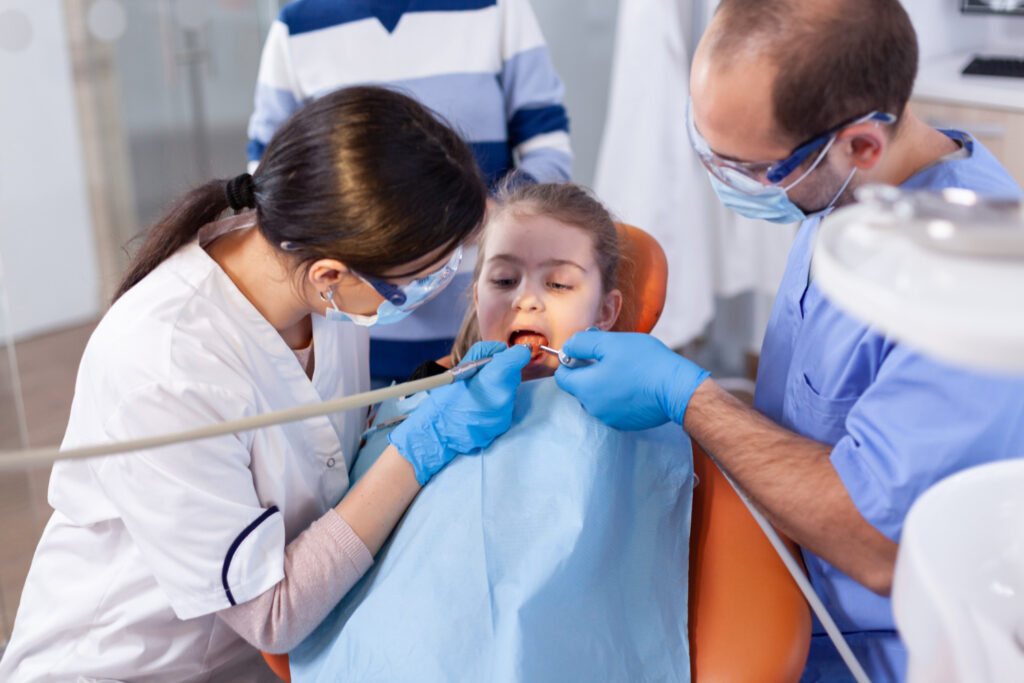
Regular dental visits every six months help detect cavities, gum disease, and other oral health concerns before they become painful or require complex treatment. Professional cleanings also remove hardened plaque that daily brushing cannot eliminate, helping maintain healthy teeth, gums, and long-term oral health while reducing the risk of preventable dental problems. Seeing a family dentist in Union City for routine checkups supports preventive care through regular exams, professional cleanings, and personalized guidance. Consistent appointments help identify early changes, protect natural teeth, and reduce the likelihood of costly treatments, making routine dental visits an important part of maintaining a healthy smile. What happens during a routine dental checkup? A routine dental visit includes much more than cleaning teeth. It combines a professional examination, preventive cleaning, and an evaluation of your overall oral health. During an appointment, the dentist checks for tooth decay, gum disease, damaged fillings, bite problems, and signs of oral cancer. Professional cleaning removes plaque and tartar that daily brushing cannot eliminate. Digital X-rays may also be recommended when needed to detect hidden problems between teeth or below the gumline. At Dream Smile Dental, every examination is designed to provide clear information that helps patients make informed decisions about their oral health. Can dental problems develop without pain? Yes. Many common dental conditions begin without causing pain or visible symptoms. By the time discomfort appears, the condition may already require more extensive treatment. Small cavities often remain painless until decay reaches deeper layers of the tooth. Early gum disease may only cause mild bleeding during brushing. Cracked teeth, worn enamel, and bone loss can also progress quietly. Visiting a family dentist in Union City for routine checkups allows these conditions to be diagnosed early, often leading to simpler, less invasive treatment options. How do regular cleanings protect your teeth and gums? Professional cleanings remove hardened tartar that cannot be removed with a toothbrush or dental floss. This helps reduce bacteria that contribute to tooth decay and gum disease. Even people with excellent home care develop plaque in hard-to-reach areas over time. Dental hygienists use specialized instruments to clean these areas safely while polishing teeth to remove surface stains. Our preventive approach focuses on preserving natural teeth and reducing the likelihood of future restorative procedures. Can routine dental visits save money over time? Yes. Preventive care is generally less expensive than treating advanced dental disease. Finding problems early often reduces the need for larger procedures such as crowns, root canals, or tooth replacement. For example, treating a small cavity usually requires a simple filling, while untreated decay can eventually damage the tooth enough to require significantly more treatment. Scheduling visits with a family dentist in Union City for routine checkups is a practical investment in both oral health and long-term dental costs. Why are regular dental visits important for every family member? Children, teenagers, adults, and seniors all experience different oral health needs. Regular dental visits help monitor these changes throughout every stage of life. Children benefit from cavity prevention and monitoring of developing teeth. Adults receive evaluations for gum health, restorations, and bite function. Older adults may require monitoring for dry mouth, tooth wear, or replacement restorations. At Dream Smile Dental, personalized preventive care is tailored to each patient’s age, health history, and individual risk factors. How can routine checkups improve overall health? Oral health and overall health are closely connected. Regular dental examinations can identify signs that may be linked to broader health conditions. Inflamed gums have been associated with increased risks related to systemic health, while certain medical conditions may first show symptoms inside the mouth. Dentists also evaluate changes in oral tissues that could require further investigation. Seeing a family dentist in Union City for routine checkups supports not only healthy teeth but also better awareness of overall wellness. Frequently Asked Questions How often should adults schedule routine dental checkups? Most adults benefit from dental checkups every six months. However, patients with gum disease, frequent cavities, or certain medical conditions may need more frequent visits based on individual risk factors and professional recommendations. Do children need dental checkups every six months? Yes. Children should generally visit the dentist every six months because their teeth develop quickly, and regular monitoring helps detect cavities, support healthy growth, and encourage lifelong oral hygiene habits from an early age. Is brushing and flossing enough to avoid dental visits? No. Daily brushing and flossing are essential, but cannot remove hardened tartar or detect hidden dental problems. Professional examinations and cleanings provide preventive care that complements home oral hygiene routines. What if I have no symptoms at all? A healthy-looking smile does not always mean a healthy mouth. Cavities, gum disease, and early oral abnormalities frequently develop without pain, making regular examinations valuable even when everything feels normal. Who should choose a family dental practice? Families looking for convenient, comprehensive care often benefit from seeing a family dentist in Union City for routine checkups because patients of different ages can receive preventive services, examinations, and personalized treatment in one familiar setting. Conclusion Preventive dental care is one of the simplest ways to protect your smile for years to come. Routine examinations identify hidden concerns early, professional cleanings reduce the risk of disease, and personalized recommendations help patients maintain healthier habits between visits. Whether you’re scheduling care for yourself or your loved ones, choosing a family dentist in Union City for routine checkups supports long-term oral health through early detection, consistent prevention, and individualized care. We believe informed patients make healthier decisions, and our goal is to help every visit contribute to lasting confidence and better oral wellness.