
What Really Determines the Cost of a Brighter Smile? Here’s What to Know Before You Book
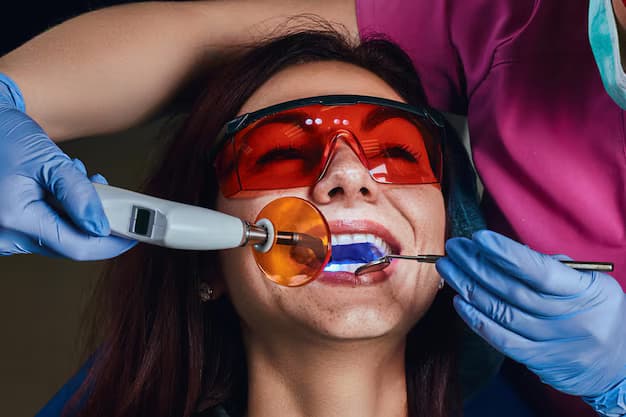
Professional whitening is customized for each patient, making the final cost different from person to person while delivering safer, longer-lasting, and more predictable results. If you’re wondering how much teeth whitening costs, the answer depends on several factors, including the whitening method, the level of staining, the number of treatments required, and your overall oral health. A brighter smile is one of the most popular cosmetic dental goals, but one of the first questions patients ask is, how much does teeth whitening cost? While it’s natural to look for a simple price, professional whitening isn’t a one-size-fits-all treatment. Every smile is different, and the final recommendation depends on your teeth, your goals, and the type of whitening that will produce the safest, most natural-looking results. Some people only need one treatment to remove years of coffee or tea stains, while others require a more customized approach because of deeper discoloration or tooth sensitivity. At Dream Smile Dental, we believe patients should understand exactly what influences treatment recommendations before making a decision. Rather than focusing only on price, we help you understand the value of professional whitening, what is included in your treatment, and how personalized care leads to brighter results that last longer. Knowing “how much does teeth whitening cost” starts with understanding what creates the biggest difference in both cost and outcome. How Much Does Teeth Whitening Cost? When patients ask how much does teeth whitening cost, there isn’t one fixed answer because every whitening treatment is customized. The total cost depends on your current tooth shade, the type of discoloration, whether one or multiple sessions are recommended, and the professional whitening system used. Unlike over-the-counter products, professional whitening begins with a dental examination to ensure your teeth and gums are healthy enough for treatment. This personalized approach helps create even, natural-looking results while protecting your enamel and minimizing sensitivity. Why Does Teeth Whitening Cost Vary Between Patients? The biggest reason “how much does teeth whitening cost” varies is because no two smiles respond the same way to whitening treatment. Several factors influence the final recommendation, including: Some patients achieve excellent results after one visit, while others benefit from additional treatments to reach their desired brightness safely. Does the Type of Whitening Treatment Affect the Cost? Yes. One of the biggest factors influencing “how much does teeth whitening cost” is the treatment method your dentist recommends. Professional in-office whitening uses stronger whitening agents under careful supervision, allowing patients to see noticeable improvements much faster than many store-bought products. Some patients may also receive custom take-home trays as part of their treatment plan for continued whitening or future touch-ups. At Dream Smile Dental, we recommend the option that best matches your smile goals, lifestyle, and oral health rather than suggesting the same treatment for everyone. Why Is Professional Teeth Whitening Worth the Investment? Many people comparing options wonder whether professional whitening justifies the additional cost compared to products available at retail stores. Professional whitening offers several advantages: When evaluating how much does teeth whitening cost, it’s important to consider both the immediate improvement and the long-term value of professionally supervised care. Can Your Oral Health Affect Teeth Whitening Costs? Yes. Before recommending whitening, your dentist evaluates your overall oral health. If cavities, gum disease, cracked teeth, or worn restorations are present, these conditions may need treatment first to ensure whitening is safe and effective. This is another reason why “how much does teeth whitening cost” varies from one patient to another. We always prioritize healthy teeth before cosmetic treatment because a healthier smile creates better whitening results. How Can You Get the Best Value From Professional Whitening? Finding value isn’t only about choosing the lowest price. It’s about selecting a treatment that safely delivers long-lasting results. To maximize your whitening investment: Patients who maintain good oral hygiene often enjoy their whitening results much longer, reducing the need for frequent retreatment. Conclusion If you’re asking “how much does teeth whitening cost”, the best answer comes after a professional evaluation because every smile has different needs. Factors such as stain severity, whitening method, oral health, and treatment goals all influence the final recommendation. At Dream Smile Dental, we believe patients deserve clear guidance, personalized treatment plans, and transparent communication before beginning cosmetic care. Our goal is to help you achieve a brighter, healthier smile with professional whitening that delivers safe, natural-looking, and lasting results. Frequently Asked Questions How much does teeth whitening cost for most patients? The answer depends on your level of staining, oral health, and the whitening method recommended. A dental examination is the best way to determine the most appropriate treatment plan. Why does professional teeth whitening cost more than store-bought products? Professional whitening uses stronger materials, customized treatment planning, and dentist supervision to produce safer, more even, and longer-lasting results than most over-the-counter products. Does everyone need the same number of whitening sessions? No. Some patients achieve their desired shade after one treatment, while others may require multiple sessions depending on the type and severity of discoloration. Can tooth sensitivity affect teeth whitening treatment? Yes. Patients with sensitive teeth may benefit from modified whitening techniques or additional protective measures that help improve comfort while still achieving noticeable results. How long do professional whitening results usually last? Results vary based on oral hygiene and lifestyle habits. Patients who maintain regular dental visits and limit stain-causing foods and beverages often enjoy brighter smiles for much longer before needing a touch-up.
8 Things a Teeth Whitening Dentist Recommends Before Your Whitening Treatment
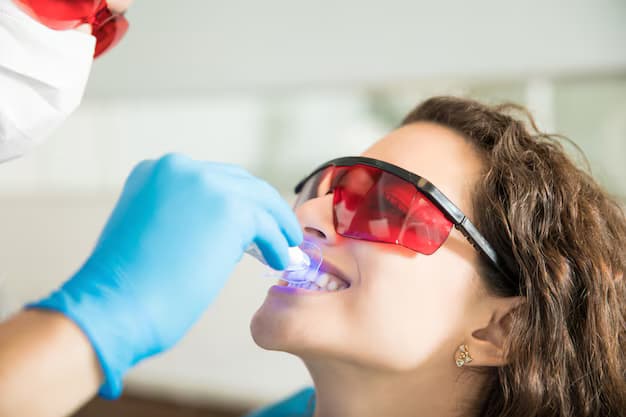
Getting a brighter smile often starts with a professional evaluation from a teeth whitening dentist. Many patients are surprised to learn that preparation plays a big role in how evenly and safely their results appear. Before any whitening gel or in-office procedure is applied, a few simple steps can make a noticeable difference in both comfort and outcome. Understanding these preparatory steps also helps patients avoid common mistakes that may affect whitening consistency. Why Preparation Matters Before Whitening At Dream Smile Dental, preparation is always considered just as important as the whitening process itself, because healthy enamel and clean surfaces allow whitening agents to work more consistently and predictably. Proper preparation also allows the whitening agents to interact more evenly across all tooth surfaces. A well-planned approach ensures that your smile responds evenly to treatment while reducing the chances of sensitivity or patchy results. 1. Professional Cleaning Before Whitening A professional cleaning is often the first recommendation a teeth whitening dentist makes, since removing plaque and tartar ensures the whitening agent contacts the enamel evenly. This step also helps identify any surface buildup that could interfere with whitening gels. By starting with a clean surface, the whitening process becomes more effective and predictable, allowing better shade improvement in less time. 2. Checking for Cavities or Gum Concerns At Dream Smile Dental, a thorough examination is performed before any cosmetic whitening is planned, as untreated cavities or gum inflammation can increase sensitivity during the procedure. Addressing these issues beforehand helps prevent unnecessary discomfort during and after the procedure. A teeth whitening dentist always prioritizes oral health before cosmetic enhancement, ensuring that whitening is done only when the mouth is in a stable and healthy condition. 3. Assessing Sensitivity Levels A teeth whitening dentist will often assess enamel sensitivity by reviewing your past dental history and current symptoms, helping to choose a safe whitening strength that minimizes discomfort. This evaluation also guides the choice of concentration levels used during treatment. Understanding sensitivity levels ensures that patients receive a comfortable experience while still achieving noticeable whitening improvements. 4. Avoiding Certain Foods and Habits Before Treatment A teeth whitening dentist may advise avoiding deeply pigmented foods such as coffee, tea, and red wine for at least 24–48 hours before treatment, as enamel can temporarily become more receptive to staining after whitening sessions. We also suggest limiting smoking, since it can reduce the overall brightness and longevity of whitening results. Hydration and good oral hygiene habits also support better whitening outcomes. 5. Setting Realistic Expectations A teeth whitening dentist will set realistic expectations by explaining that whitening outcomes vary depending on enamel condition, lifestyle habits, and the type of discoloration present. This discussion helps patients understand what shade improvements are realistically achievable. Having clear expectations helps ensure satisfaction with the final results and avoids misunderstandings about how much change is possible. 6. Choosing the Right Whitening Option Different whitening methods are available, and a teeth whitening dentist typically helps patients decide between in-office treatment and professionally supervised take-home kits based on staining severity and sensitivity levels. Our goal is to ensure whitening is both safe and predictable for long-term results. Both options are designed to deliver noticeable improvement when used correctly. 7. Post-Treatment Care Guidance A teeth whitening dentist will usually recommend avoiding staining foods immediately after treatment and maintaining good oral hygiene to extend the brightness achieved during the session. Simple habits like using a soft-bristled toothbrush and non-abrasive toothpaste can make a significant difference. Following aftercare instructions carefully helps preserve results and maintain a cleaner, brighter smile for longer periods. 8. Why Professional Guidance Makes a Difference A teeth whitening dentist ensures that the whitening process is customized rather than one-size-fits-all, reducing risks like uneven shade or increased tooth sensitivity. It also ensures that the enamel is protected throughout the process. Professional oversight ensures that every step, from preparation to aftercare, is tailored for safe and effective results. Managing Tooth Sensitivity After Whitening We inform patients that mild sensitivity after whitening is common and usually temporary. Using a desensitizing toothpaste and avoiding extremely hot or cold foods for a short period can help reduce discomfort. Staying hydrated and following aftercare instructions also supports enamel recovery. Sensitivity typically fades within a few days with proper care, ensuring comfortable recovery, while maintaining whitening results and consistency with normal daily oral routines helps further. Most cases improve quickly with consistent oral care habits. How Long Whitening Results Typically Last We inform patients that whitening results can last anywhere from several months to a few years, depending on diet, oral hygiene, and lifestyle habits. Regular brushing, flossing, and avoiding staining foods help extend brightness over time. Occasional touch-up treatments may be recommended to maintain a consistently bright smile throughout the year. Good oral hygiene practices and routine dental visits also play an important role in preserving results longer. Consistency is key to lasting brightness overall results. Conclusion At Dream Smile Dental, every whitening case begins with a careful assessment to ensure patients achieve a natural, even, and healthy-looking smile. A teeth whitening dentist plays an essential role in guiding patients through safe preparation and treatment choices, which directly impact the quality and longevity of results. By following the right steps before treatment, patients can reduce sensitivity and enjoy more consistent whitening outcomes that feel comfortable and long-lasting for us to monitor effectively. Consistent follow-up care further supports long-lasting results and overall oral health.