
Why Are My Teeth Still Yellow After Whitening? The Stains That Cosmetic Tooth Whitening May Not Fix
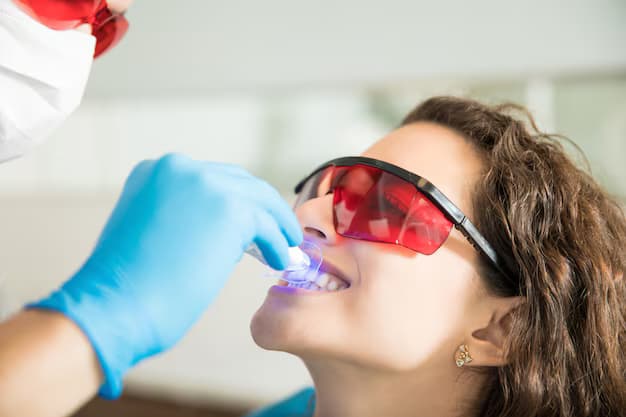
You went through cosmetic teeth whitening expecting a noticeably brighter smile, but your teeth might still look yellow or uneven afterward. That doesn’t always mean the treatment failed. Tooth color depends on several factors at once, including the type and depth of staining, your natural enamel and dentin shade, age-related changes, and any existing dental restorations. Some discoloration sits right on the surface and responds well to whitening. Other stains develop within the tooth itself and end up much harder to shift. Understanding what’s actually causing the discoloration helps you choose a safer, more suitable approach to cosmetic whitening going forward. Why whitening doesn’t remove every type of discoloration Cosmetic teeth whitening works by lightening the compounds responsible for tooth discoloration. It can be genuinely effective for a lot of surface and deeper stains, but the results always depend on the underlying cause. Surface stains are often tied to coffee, tea, red wine, and other strongly pigmented foods. These tend to respond well to professional cleaning and cosmetic whitening together. Intrinsic discoloration is a different story, since it develops inside the enamel or dentin itself. Age-related changes, certain medications taken during tooth development, fluorosis, trauma, and some dental conditions can all contribute to this deeper kind of discoloration. If yellowing comes mainly from natural dentin showing through thinner enamel, whitening can brighten the tooth without ever getting it to fully white. Your fillings, crowns, and veneers may not whiten One common reason for an uneven result is tooth-colored dental work sitting alongside natural teeth. Whitening affects your natural tooth structure, but crowns, veneers, and some fillings simply don’t change color the same way. Before starting cosmetic teeth whitening, tell your dentist about any existing restorations you have. An evaluation can help figure out whether whitening should happen before a restoration gets replaced, or whether a different cosmetic option would give you a more balanced, consistent result overall. Some stains need more than whitening Not every discoloration is best handled with repeated bleaching sessions, and part of the job is knowing when cosmetic teeth whitening isn’t the right tool for it. A single dark tooth can have a completely different cause from generalized yellowing across your whole smile. Previous trauma, decay, changes happening inside the tooth, or a past root canal can all contribute to one tooth turning darker than the rest. White or brown areas caused by enamel development problems can also respond differently than ordinary surface staining does. Repeated whitening sometimes makes the contrast between teeth more noticeable instead of actually eliminating the underlying difference. Depending on the cause, your dentist might consider professional cleaning, enamel microabrasion, bonding, veneers, or treatment aimed specifically at the affected tooth. Why age can make teeth look more yellow Teeth naturally change with age. Enamel tends to thin and become more translucent over time, letting more of the naturally yellow dentin underneath show through. This can make teeth look darker even when your oral hygiene is genuinely good. That’s one reason cosmetic teeth whitening can produce real improvement without hitting the bright shade someone remembers from their twenties. Your dentist can help you understand what level of change is actually reasonable before treatment even begins. Could your whitening routine be the problem? Whitening results depend not only on the treatment itself but also on how you maintain your smile afterward. Small habits can affect how long your results last. Good maintenance helps preserve your results. If whitening causes discomfort or uneven changes, professional guidance can help you choose the safest next step. What can a dental evaluation tell you? When whitening hasn’t produced the result you were expecting, another round of cosmetic teeth whitening isn’t necessarily the answer. A dental evaluation can identify whether the discoloration is on the surface, inside the tooth, tied to a restoration, or connected to an underlying dental problem you haven’t addressed yet. At Dream Smile Dental, we look at your individual concerns rather than assuming every yellow tooth needs the exact same treatment. Our approach includes understanding your goals, evaluating your teeth and gums, and considering existing restorations before recommending any cosmetic plan. For some patients, teeth whitening genuinely is the right call. For others, a different cosmetic treatment offers a far more predictable result. The goal was never simply making teeth lighter, it’s creating a smile that looks balanced and natural, top to bottom. When to talk with your dentist Consider an evaluation if one tooth suddenly becomes darker than the rest, whitening causes significant or persistent discomfort, you notice spots that just won’t change, or your teeth shift color without an obvious reason behind it. A dentist can also help if your natural teeth have gotten noticeably lighter while crowns, veneers, or fillings stayed exactly the same shade. At Dream Smile Dental, we can talk through your concerns, explain what might be causing the discoloration, and help you understand the options actually available to you. Conclusion Yellow teeth after whitening aren’t always a sign that treatment failed. The cause might be deeper staining, natural dentin color, age-related changes, or restorations that simply can’t be whitened at all. Cosmetic teeth whitening can be genuinely useful when discoloration responds to bleaching, but it’s not a universal fix for every shade difference you may have. If your smile did not whiten as much as you expected, avoid using more whitening treatments until you understand what is causing the discoloration. A professional evaluation can identify the actual source of the discoloration and help you choose an approach that’s safe, realistic, and suited to your specific smile. With the right plan, you can work toward a brighter result while still protecting your natural teeth along the way.