Why Are My Teeth Still Yellow After Whitening? The Stains That Cosmetic Tooth Whitening May Not Fix
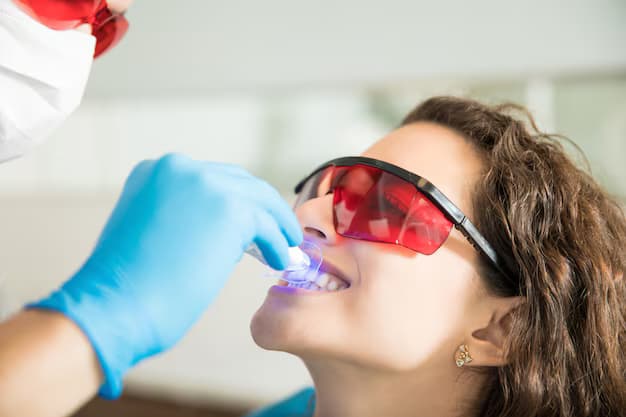
You went through cosmetic teeth whitening expecting a noticeably brighter smile, but your teeth might still look yellow or uneven afterward. That doesn’t always mean the treatment failed. Tooth color depends on several factors at once, including the type and depth of staining, your natural enamel and dentin shade, age-related changes, and any existing dental restorations. Some discoloration sits right on the surface and responds well to whitening. Other stains develop within the tooth itself and end up much harder to shift. Understanding what’s actually causing the discoloration helps you choose a safer, more suitable approach to cosmetic whitening going forward. Why whitening doesn’t remove every type of discoloration Cosmetic teeth whitening works by lightening the compounds responsible for tooth discoloration. It can be genuinely effective for a lot of surface and deeper stains, but the results always depend on the underlying cause. Surface stains are often tied to coffee, tea, red wine, and other strongly pigmented foods. These tend to respond well to professional cleaning and cosmetic whitening together. Intrinsic discoloration is a different story, since it develops inside the enamel or dentin itself. Age-related changes, certain medications taken during tooth development, fluorosis, trauma, and some dental conditions can all contribute to this deeper kind of discoloration. If yellowing comes mainly from natural dentin showing through thinner enamel, whitening can brighten the tooth without ever getting it to fully white. Your fillings, crowns, and veneers may not whiten One common reason for an uneven result is tooth-colored dental work sitting alongside natural teeth. Whitening affects your natural tooth structure, but crowns, veneers, and some fillings simply don’t change color the same way. Before starting cosmetic teeth whitening, tell your dentist about any existing restorations you have. An evaluation can help figure out whether whitening should happen before a restoration gets replaced, or whether a different cosmetic option would give you a more balanced, consistent result overall. Some stains need more than whitening Not every discoloration is best handled with repeated bleaching sessions, and part of the job is knowing when cosmetic teeth whitening isn’t the right tool for it. A single dark tooth can have a completely different cause from generalized yellowing across your whole smile. Previous trauma, decay, changes happening inside the tooth, or a past root canal can all contribute to one tooth turning darker than the rest. White or brown areas caused by enamel development problems can also respond differently than ordinary surface staining does. Repeated whitening sometimes makes the contrast between teeth more noticeable instead of actually eliminating the underlying difference. Depending on the cause, your dentist might consider professional cleaning, enamel microabrasion, bonding, veneers, or treatment aimed specifically at the affected tooth. Why age can make teeth look more yellow Teeth naturally change with age. Enamel tends to thin and become more translucent over time, letting more of the naturally yellow dentin underneath show through. This can make teeth look darker even when your oral hygiene is genuinely good. That’s one reason cosmetic teeth whitening can produce real improvement without hitting the bright shade someone remembers from their twenties. Your dentist can help you understand what level of change is actually reasonable before treatment even begins. Could your whitening routine be the problem? Whitening results depend not only on the treatment itself but also on how you maintain your smile afterward. Small habits can affect how long your results last. Good maintenance helps preserve your results. If whitening causes discomfort or uneven changes, professional guidance can help you choose the safest next step. What can a dental evaluation tell you? When whitening hasn’t produced the result you were expecting, another round of cosmetic teeth whitening isn’t necessarily the answer. A dental evaluation can identify whether the discoloration is on the surface, inside the tooth, tied to a restoration, or connected to an underlying dental problem you haven’t addressed yet. At Dream Smile Dental, we look at your individual concerns rather than assuming every yellow tooth needs the exact same treatment. Our approach includes understanding your goals, evaluating your teeth and gums, and considering existing restorations before recommending any cosmetic plan. For some patients, teeth whitening genuinely is the right call. For others, a different cosmetic treatment offers a far more predictable result. The goal was never simply making teeth lighter, it’s creating a smile that looks balanced and natural, top to bottom. When to talk with your dentist Consider an evaluation if one tooth suddenly becomes darker than the rest, whitening causes significant or persistent discomfort, you notice spots that just won’t change, or your teeth shift color without an obvious reason behind it. A dentist can also help if your natural teeth have gotten noticeably lighter while crowns, veneers, or fillings stayed exactly the same shade. At Dream Smile Dental, we can talk through your concerns, explain what might be causing the discoloration, and help you understand the options actually available to you. Conclusion Yellow teeth after whitening aren’t always a sign that treatment failed. The cause might be deeper staining, natural dentin color, age-related changes, or restorations that simply can’t be whitened at all. Cosmetic teeth whitening can be genuinely useful when discoloration responds to bleaching, but it’s not a universal fix for every shade difference you may have. If your smile did not whiten as much as you expected, avoid using more whitening treatments until you understand what is causing the discoloration. A professional evaluation can identify the actual source of the discoloration and help you choose an approach that’s safe, realistic, and suited to your specific smile. With the right plan, you can work toward a brighter result while still protecting your natural teeth along the way.
Why Do Dentists Recommend Visiting Every Six Months Even When Nothing Hurts?
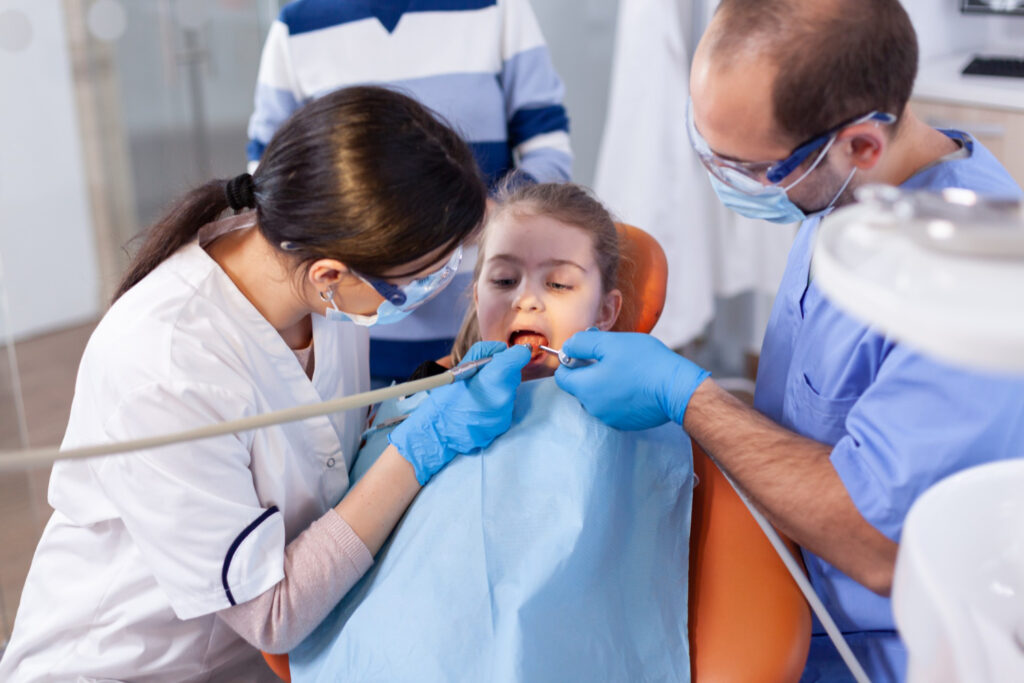
Regular dental visits every six months help detect cavities, gum disease, and other oral health concerns before they become painful or require complex treatment. Professional cleanings also remove hardened plaque that daily brushing cannot eliminate, helping maintain healthy teeth, gums, and long-term oral health while reducing the risk of preventable dental problems. Seeing a family dentist in Union City for routine checkups supports preventive care through regular exams, professional cleanings, and personalized guidance. Consistent appointments help identify early changes, protect natural teeth, and reduce the likelihood of costly treatments, making routine dental visits an important part of maintaining a healthy smile. What happens during a routine dental checkup? A routine dental visit includes much more than cleaning teeth. It combines a professional examination, preventive cleaning, and an evaluation of your overall oral health. During an appointment, the dentist checks for tooth decay, gum disease, damaged fillings, bite problems, and signs of oral cancer. Professional cleaning removes plaque and tartar that daily brushing cannot eliminate. Digital X-rays may also be recommended when needed to detect hidden problems between teeth or below the gumline. At Dream Smile Dental, every examination is designed to provide clear information that helps patients make informed decisions about their oral health. Can dental problems develop without pain? Yes. Many common dental conditions begin without causing pain or visible symptoms. By the time discomfort appears, the condition may already require more extensive treatment. Small cavities often remain painless until decay reaches deeper layers of the tooth. Early gum disease may only cause mild bleeding during brushing. Cracked teeth, worn enamel, and bone loss can also progress quietly. Visiting a family dentist in Union City for routine checkups allows these conditions to be diagnosed early, often leading to simpler, less invasive treatment options. How do regular cleanings protect your teeth and gums? Professional cleanings remove hardened tartar that cannot be removed with a toothbrush or dental floss. This helps reduce bacteria that contribute to tooth decay and gum disease. Even people with excellent home care develop plaque in hard-to-reach areas over time. Dental hygienists use specialized instruments to clean these areas safely while polishing teeth to remove surface stains. Our preventive approach focuses on preserving natural teeth and reducing the likelihood of future restorative procedures. Can routine dental visits save money over time? Yes. Preventive care is generally less expensive than treating advanced dental disease. Finding problems early often reduces the need for larger procedures such as crowns, root canals, or tooth replacement. For example, treating a small cavity usually requires a simple filling, while untreated decay can eventually damage the tooth enough to require significantly more treatment. Scheduling visits with a family dentist in Union City for routine checkups is a practical investment in both oral health and long-term dental costs. Why are regular dental visits important for every family member? Children, teenagers, adults, and seniors all experience different oral health needs. Regular dental visits help monitor these changes throughout every stage of life. Children benefit from cavity prevention and monitoring of developing teeth. Adults receive evaluations for gum health, restorations, and bite function. Older adults may require monitoring for dry mouth, tooth wear, or replacement restorations. At Dream Smile Dental, personalized preventive care is tailored to each patient’s age, health history, and individual risk factors. How can routine checkups improve overall health? Oral health and overall health are closely connected. Regular dental examinations can identify signs that may be linked to broader health conditions. Inflamed gums have been associated with increased risks related to systemic health, while certain medical conditions may first show symptoms inside the mouth. Dentists also evaluate changes in oral tissues that could require further investigation. Seeing a family dentist in Union City for routine checkups supports not only healthy teeth but also better awareness of overall wellness. Frequently Asked Questions How often should adults schedule routine dental checkups? Most adults benefit from dental checkups every six months. However, patients with gum disease, frequent cavities, or certain medical conditions may need more frequent visits based on individual risk factors and professional recommendations. Do children need dental checkups every six months? Yes. Children should generally visit the dentist every six months because their teeth develop quickly, and regular monitoring helps detect cavities, support healthy growth, and encourage lifelong oral hygiene habits from an early age. Is brushing and flossing enough to avoid dental visits? No. Daily brushing and flossing are essential, but cannot remove hardened tartar or detect hidden dental problems. Professional examinations and cleanings provide preventive care that complements home oral hygiene routines. What if I have no symptoms at all? A healthy-looking smile does not always mean a healthy mouth. Cavities, gum disease, and early oral abnormalities frequently develop without pain, making regular examinations valuable even when everything feels normal. Who should choose a family dental practice? Families looking for convenient, comprehensive care often benefit from seeing a family dentist in Union City for routine checkups because patients of different ages can receive preventive services, examinations, and personalized treatment in one familiar setting. Conclusion Preventive dental care is one of the simplest ways to protect your smile for years to come. Routine examinations identify hidden concerns early, professional cleanings reduce the risk of disease, and personalized recommendations help patients maintain healthier habits between visits. Whether you’re scheduling care for yourself or your loved ones, choosing a family dentist in Union City for routine checkups supports long-term oral health through early detection, consistent prevention, and individualized care. We believe informed patients make healthier decisions, and our goal is to help every visit contribute to lasting confidence and better oral wellness.
What Is the Simplest Way to Protect Back Teeth From Cavities Before They Start?
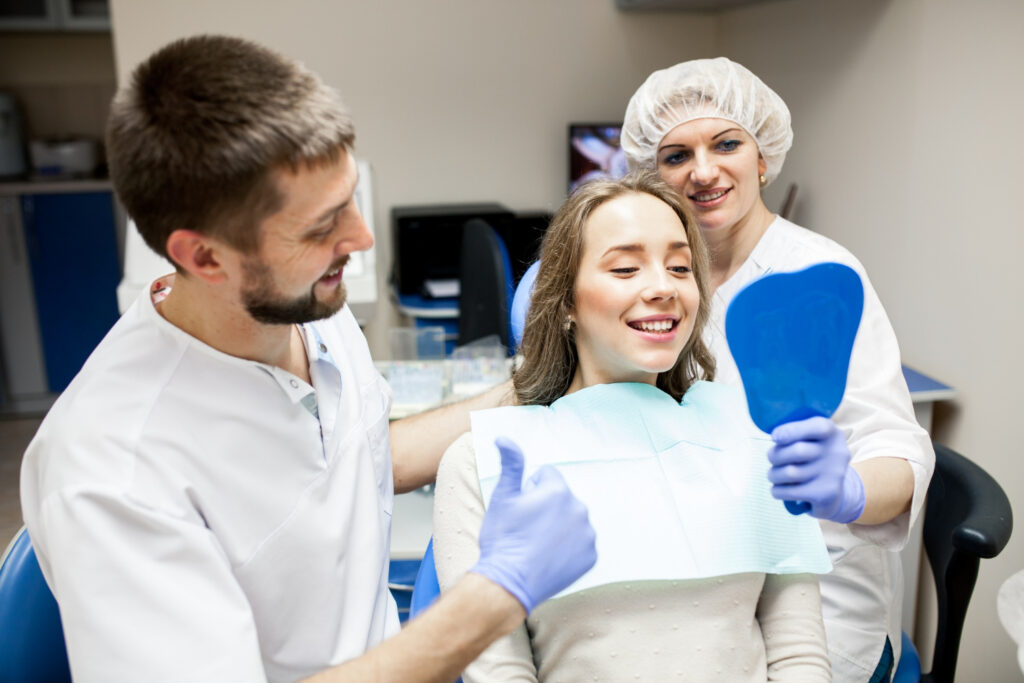
The simplest way to protect back teeth from cavities is by applying a thin protective coating to the chewing surfaces of molars. This barrier prevents food particles and bacteria from settling into deep grooves, significantly lowering the risk of tooth decay when combined with regular brushing, flossing, and routine dental checkups. For families focused on preventing future dental problems, visiting a family dentist in Longwood offering sealants provides an effective solution before cavities develop. Sealants are quick to apply, completely painless, and highly effective for children and adults with deep grooves or a history of recurring cavities in their back teeth. How do sealants actually protect back teeth from decay? Sealants protect molars by covering the deep pits and grooves where plaque, food debris, and bacteria commonly accumulate. These narrow spaces are often difficult to clean thoroughly with a toothbrush alone. Many patients choose treatment from a family dentist in Longwood offering sealants because this preventive approach reduces the chance of cavities before they require fillings. The smooth protective coating makes the tooth surface easier to clean and less likely to trap harmful bacteria. We recommend sealing vulnerable molars before decay has the opportunity to develop. Why are molars more likely to develop cavities? Molars have large chewing surfaces filled with tiny pits and grooves that naturally collect food particles and bacteria. Because these areas are harder to clean, they are more likely to develop cavities than front teeth. Patients experiencing repeated decay often benefit from seeing a family dentist in Longwood offering sealants, as protecting these high-risk teeth can significantly reduce future dental problems. Since molars handle most of the chewing, they experience greater wear and constant exposure to cavity-causing bacteria. Who should consider sealants for cavity prevention? Sealants are recommended for children, teenagers, and adults who have deep grooves in their molars or a history of tooth decay. The greatest benefit comes when permanent molars are protected soon after they erupt. Many parents visit a family dentist in Longwood offering sealants shortly after their child’s permanent molars appear because this is when teeth are most vulnerable to cavities. Adults with healthy but high-risk molars can also benefit from this preventive treatment. At Dream Smile Dental, treatment recommendations are personalized based on each patient’s cavity risk. How long do sealants protect teeth? Dental sealants generally provide protection for five to ten years, depending on oral hygiene habits and normal chewing wear. During regular checkups, dentists evaluate the condition of the sealants and recommend repairs or replacement if necessary. Receiving ongoing care from a family dentist in Longwood offering sealants helps ensure the protective coating continues to shield vulnerable molars for many years. Regular monitoring keeps the treatment effective and prevents unnoticed wear. Is the sealant procedure painful or complicated? The sealant procedure is simple, comfortable, and completely painless. No drilling, injections, or removal of healthy tooth structure is required. During treatment, a family dentist in Longwood offering sealants carefully cleans each tooth, applies a bonding solution, and places the sealant material before hardening it with a special curing light. The entire process is completed quickly, making it especially convenient for children and first-time dental patients. Can adults still benefit from sealants? Yes. Although sealants are commonly associated with children, many adults with healthy molars can also benefit from additional protection against decay. Individuals with deep grooves or repeated fillings may be especially good candidates. After evaluating cavity risk, a family dentist in Longwood offering sealants may recommend sealants as a preventive solution to reduce future dental treatment. Protecting healthy teeth before problems develop is often more effective than restoring damage later. At Dream Smile Dental, every adult patient receives an individual assessment before treatment is recommended. FAQ 1. Can adults benefit from dental sealants? Yes. Although sealants are commonly recommended for children, adults with healthy molars and deep grooves can also benefit from them. Your dentist can determine whether they are appropriate based on your cavity risk and overall oral health. 2. How long do dental sealants usually last? Dental sealants generally last between five and ten years with proper care. Routine dental checkups help ensure they remain intact and continue protecting the chewing surfaces of your molars. 3. Does getting dental sealants hurt? No. Applying sealants is a quick, painless procedure that requires no drilling or anesthesia. The protective coating is simply placed on the tooth and hardened with a special curing light. 4. Can sealants be applied over small cavities? In certain situations, sealants may be placed over very early enamel changes, but active cavities usually require treatment first. Your dentist will examine each tooth before recommending the most appropriate option. 5. Will dental sealants affect the way I chew or speak? No. Once fully bonded, sealants feel like a natural part of the tooth. Most patients notice no difference in chewing, speaking, or everyday comfort. Conclusion Preventing cavities in back teeth is easier and more affordable than treating decay after it develops. Dental sealants create a durable barrier that protects molars from food, bacteria, and plaque while supporting long-term oral health. Combined with good brushing habits, healthy eating, and regular dental visits, they help reduce the risk of future cavities for both children and adults. Choosing a family dentist in Longwood offering sealants ensures you receive preventive care designed to protect your smile for years to come. At Dream Smile Dental, we believe prevention is the best way to preserve natural teeth and minimize future dental treatment.
What Really Determines the Cost of a Brighter Smile? Here’s What to Know Before You Book
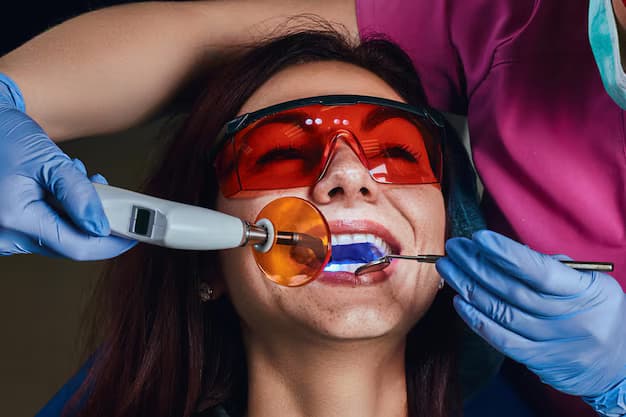
Professional whitening is customized for each patient, making the final cost different from person to person while delivering safer, longer-lasting, and more predictable results. If you’re wondering how much teeth whitening costs, the answer depends on several factors, including the whitening method, the level of staining, the number of treatments required, and your overall oral health. A brighter smile is one of the most popular cosmetic dental goals, but one of the first questions patients ask is, how much does teeth whitening cost? While it’s natural to look for a simple price, professional whitening isn’t a one-size-fits-all treatment. Every smile is different, and the final recommendation depends on your teeth, your goals, and the type of whitening that will produce the safest, most natural-looking results. Some people only need one treatment to remove years of coffee or tea stains, while others require a more customized approach because of deeper discoloration or tooth sensitivity. At Dream Smile Dental, we believe patients should understand exactly what influences treatment recommendations before making a decision. Rather than focusing only on price, we help you understand the value of professional whitening, what is included in your treatment, and how personalized care leads to brighter results that last longer. Knowing “how much does teeth whitening cost” starts with understanding what creates the biggest difference in both cost and outcome. How Much Does Teeth Whitening Cost? When patients ask how much does teeth whitening cost, there isn’t one fixed answer because every whitening treatment is customized. The total cost depends on your current tooth shade, the type of discoloration, whether one or multiple sessions are recommended, and the professional whitening system used. Unlike over-the-counter products, professional whitening begins with a dental examination to ensure your teeth and gums are healthy enough for treatment. This personalized approach helps create even, natural-looking results while protecting your enamel and minimizing sensitivity. Why Does Teeth Whitening Cost Vary Between Patients? The biggest reason “how much does teeth whitening cost” varies is because no two smiles respond the same way to whitening treatment. Several factors influence the final recommendation, including: Some patients achieve excellent results after one visit, while others benefit from additional treatments to reach their desired brightness safely. Does the Type of Whitening Treatment Affect the Cost? Yes. One of the biggest factors influencing “how much does teeth whitening cost” is the treatment method your dentist recommends. Professional in-office whitening uses stronger whitening agents under careful supervision, allowing patients to see noticeable improvements much faster than many store-bought products. Some patients may also receive custom take-home trays as part of their treatment plan for continued whitening or future touch-ups. At Dream Smile Dental, we recommend the option that best matches your smile goals, lifestyle, and oral health rather than suggesting the same treatment for everyone. Why Is Professional Teeth Whitening Worth the Investment? Many people comparing options wonder whether professional whitening justifies the additional cost compared to products available at retail stores. Professional whitening offers several advantages: When evaluating how much does teeth whitening cost, it’s important to consider both the immediate improvement and the long-term value of professionally supervised care. Can Your Oral Health Affect Teeth Whitening Costs? Yes. Before recommending whitening, your dentist evaluates your overall oral health. If cavities, gum disease, cracked teeth, or worn restorations are present, these conditions may need treatment first to ensure whitening is safe and effective. This is another reason why “how much does teeth whitening cost” varies from one patient to another. We always prioritize healthy teeth before cosmetic treatment because a healthier smile creates better whitening results. How Can You Get the Best Value From Professional Whitening? Finding value isn’t only about choosing the lowest price. It’s about selecting a treatment that safely delivers long-lasting results. To maximize your whitening investment: Patients who maintain good oral hygiene often enjoy their whitening results much longer, reducing the need for frequent retreatment. Conclusion If you’re asking “how much does teeth whitening cost”, the best answer comes after a professional evaluation because every smile has different needs. Factors such as stain severity, whitening method, oral health, and treatment goals all influence the final recommendation. At Dream Smile Dental, we believe patients deserve clear guidance, personalized treatment plans, and transparent communication before beginning cosmetic care. Our goal is to help you achieve a brighter, healthier smile with professional whitening that delivers safe, natural-looking, and lasting results. Frequently Asked Questions How much does teeth whitening cost for most patients? The answer depends on your level of staining, oral health, and the whitening method recommended. A dental examination is the best way to determine the most appropriate treatment plan. Why does professional teeth whitening cost more than store-bought products? Professional whitening uses stronger materials, customized treatment planning, and dentist supervision to produce safer, more even, and longer-lasting results than most over-the-counter products. Does everyone need the same number of whitening sessions? No. Some patients achieve their desired shade after one treatment, while others may require multiple sessions depending on the type and severity of discoloration. Can tooth sensitivity affect teeth whitening treatment? Yes. Patients with sensitive teeth may benefit from modified whitening techniques or additional protective measures that help improve comfort while still achieving noticeable results. How long do professional whitening results usually last? Results vary based on oral hygiene and lifestyle habits. Patients who maintain regular dental visits and limit stain-causing foods and beverages often enjoy brighter smiles for much longer before needing a touch-up.
Can Cosmetic Smile Makeovers Really Fix Chips, Gaps, and Stains for Years?
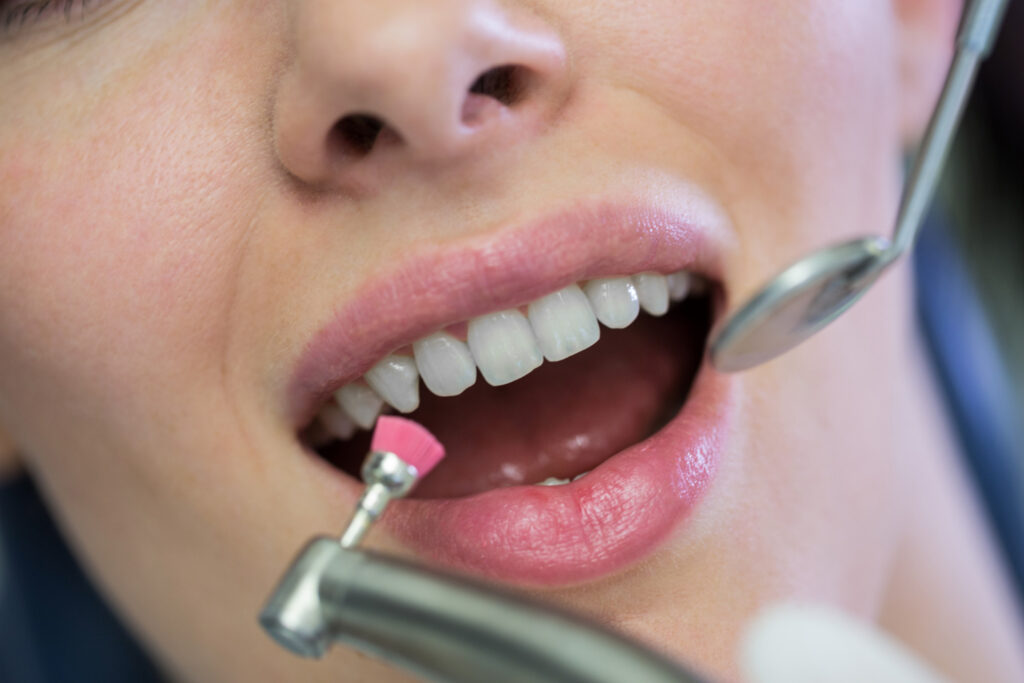
Yes, cosmetic smile makeovers can effectively correct chips, gaps, and stains for many years when performed with high-quality materials and proper dental care. They improve both appearance and function while providing natural-looking, long-lasting results. Patients who search “How does porcelain veneer work” often discover that veneers are among the most reliable cosmetic solutions because they strengthen the visible tooth surface and enhance smile symmetry. With good oral hygiene and regular dental checkups, the results can remain attractive for well over a decade. What Makes Porcelain Veneers a Long-Term Solution for Chipped and Stained Teeth? Porcelain veneers provide long-lasting cosmetic improvement because they bond securely to the tooth surface while resisting stains and everyday wear. Patients researching “How does porcelain veneer work” are often looking for a solution that offers durability beyond whitening or cosmetic bonding. The treatment involves preparing a thin layer of enamel before permanently bonding a custom-crafted ceramic shell to the tooth. At Dream Smile Dental, every veneer is carefully designed to match the patient’s natural tooth color, shape, and overall smile. How Do Veneers Restore Chipped and Cracked Teeth? Small chips and minor cracks can be restored by covering the damaged area with a durable ceramic veneer that recreates the tooth’s original appearance. Many people searching “How does porcelain veneer work” are surprised to learn that veneers also help protect weakened enamel from additional wear. Once bonded, the veneer distributes normal biting forces more evenly while restoring symmetry and confidence. Every tooth is evaluated carefully before treatment to ensure veneers are the most appropriate solution. Can Veneers Close Gaps Between Teeth Without Braces? Yes. Veneers can close small to moderate spaces without orthodontic treatment. People looking up “How does porcelain veneer work” often discover that veneers improve spacing by reshaping the visible width of individual teeth instead of physically moving them. This cosmetic approach creates a more balanced smile in fewer appointments than traditional braces or clear aligners. At Dream Smile Dental, every veneer is customized to maintain natural proportions and avoid an artificial appearance. Can Porcelain Veneers Remove Deep Stains? Deep internal stains that do not respond to whitening can often be hidden with porcelain veneers. Patients asking “How does porcelain veneer work?” usually want to understand how veneers achieve a brighter smile despite severe discoloration. Rather than bleaching the tooth, the veneer covers the stained enamel with stain-resistant ceramic. Because porcelain resists pigments from coffee, tea, wine, and tobacco, the smile maintains its brightness for many years with proper care. How Long Do Porcelain Veneers Last? Porcelain veneers commonly last between 10 and 15 years and may last even longer with excellent oral hygiene. While researching “How does porcelain veneer work?,” many patients also want to know what affects their lifespan. Daily brushing, regular dental visits, avoiding habits like biting hard objects, and using high-quality ceramic materials all contribute to long-term durability while preserving a natural appearance. Is the Veneer Procedure Painful or Invasive? The veneer procedure is considered minimally invasive and is generally very comfortable. Patients concerned about “How does porcelain veneer work?” often worry that the treatment may be painful, but only a very thin layer of enamel is typically removed. Local anesthesia is provided whenever necessary, making the procedure comfortable. Any sensitivity afterward is usually mild and temporary. At Dream Smile Dental, preserving healthy tooth structure remains a priority throughout treatment. What Happens During the Veneer Placement Process? Treatment begins with a consultation, smile evaluation, and personalized treatment planning. Patients searching “How does porcelain veneer work” are often interested in understanding each stage before committing to treatment. After preparing the teeth, impressions are taken so custom veneers can be fabricated. Temporary veneers may be placed until the final restorations are ready. During the final appointment, each veneer is adjusted for fit, appearance, and bite before being permanently bonded for a comfortable, natural-looking result. FAQs 1. Can porcelain veneers fix uneven teeth?Yes. Porcelain veneers can improve the appearance of mildly uneven or irregularly shaped teeth by creating a more balanced and symmetrical smile. 2. Do porcelain veneers require special care?No. Veneers should be cared for like natural teeth with daily brushing, flossing, and regular dental checkups to maintain their appearance and longevity. 3. Are porcelain veneers resistant to stains?Yes. Porcelain is highly stain-resistant, helping veneers maintain their color even with regular consumption of coffee, tea, or other staining foods and drinks. 4. Can I eat normally after getting porcelain veneers?Yes. Once the veneers are securely bonded, you can enjoy most foods normally. However, avoiding extremely hard objects helps prevent unnecessary damage. 5. Who is an ideal candidate for porcelain veneers?People with healthy teeth and gums who want to improve chips, gaps, discoloration, or minor alignment issues are generally good candidates for porcelain veneers. Conclusion Porcelain veneers provide a dependable solution for improving chipped, stained, and uneven teeth while creating a natural-looking smile that lasts for years. Patients researching “How does porcelain veneer work” often find that veneers combine durability, aesthetics, and minimal invasiveness in a single treatment. With proper oral hygiene, regular dental checkups, and healthy habits, veneers can maintain their appearance and function for more than a decade. Consulting an experienced cosmetic dentist ensures personalized treatment and long-lasting smile enhancement.
Is Cosmetic Teeth Whitening Safe for Teenagers? A Parent’s Guide
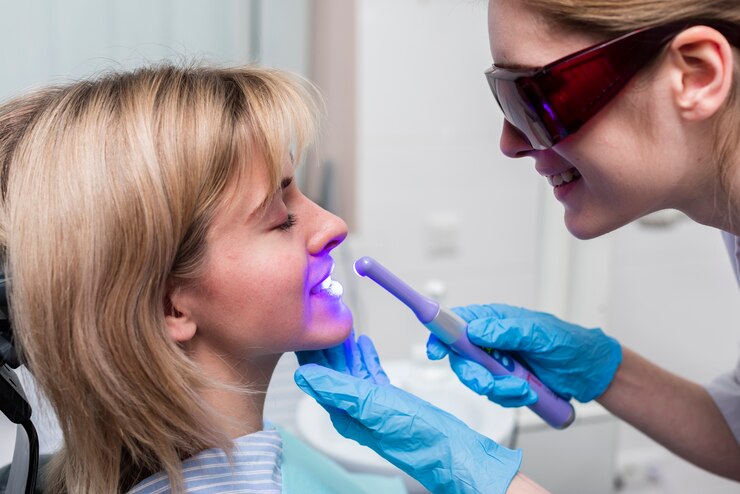
Teenagers care about their smiles more than ever. Between selfies, school dances, and social media, it’s no surprise that many teens ask about whitening their teeth. Parents, however, often wonder: Is cosmetic teeth whitening safe for someone so young? The short answer is yes, cosmetic teeth whitening can be safe for teens, but only when it’s done under the supervision of a dental professional. At Dream Smile Dental, we help parents understand when whitening is appropriate, what risks to consider, and what alternatives may be better for younger patients. When Is Whitening Appropriate for Teens? Teeth continue developing throughout childhood. By the time most kids reach their mid-teens, their permanent teeth are usually in place and enamel is fully formed. This is typically when we begin to consider cosmetic treatments like whitening. At Dream Smile Dental, we recommend waiting until at least age 14–15 before discussing whitening options. Even then, it depends on the child’s oral health, habits, and sensitivity levels. We always start with a full dental exam to make sure whitening is safe and effective for your teen’s smile. Professional Whitening vs. Store-Bought Kits One of the first questions parents ask is whether they can buy a whitening kit at the store instead of visiting the dentist. While store-bought products are widely available, they aren’t always safe for teenagers. Over-the-counter kits often contain bleaching agents that may be too harsh for developing enamel. They can also be used incorrectly, leading to gum irritation or uneven results. In contrast, cosmetic teeth whitening performed in a dental office is carefully monitored. We customize treatment to the patient, use safe concentrations, and protect the gums during the process. Simply put, professional whitening ensures your teen gets brighter results without unnecessary risks. Common Concerns About Safety Parents are right to be cautious, after all, whitening involves chemicals that lighten tooth enamel. The most common side effect is temporary sensitivity, especially to hot or cold foods. In rare cases, whitening can irritate the gums if not applied properly. At Dream Smile Dental, we address these concerns by: By choosing supervised cosmetic teeth whitening, you can be confident your teen’s smile is safe in our care. Alternatives for Younger Kids For children under 14, whitening is usually not recommended. But that doesn’t mean they can’t enjoy a clean, healthy smile. There are safe alternatives that brighten teeth without bleaching: These small steps can make a big difference until a child is ready for professional whitening. How We Keep Whitening Safe and Effective Every smile is unique, which is why we don’t take a one-size-fits-all approach. At Dream Smile Dental, we begin by checking for cavities, enamel strength, and gum health before recommending whitening. If everything looks good, we discuss options, whether in-office treatments for faster results or take-home kits designed specifically for teens. We also guide families on how to maintain results, from avoiding stain-causing foods to practicing strong daily hygiene. The goal isn’t just a brighter smile today, it’s a healthy smile for years to come. What Parents Should Keep in Mind If your teen is asking about whitening, here are a few tips to remember: The Dream Smile Dental Promise We understand that every parent wants the best for their child. At Dream Smile Dental, we combine our pediatric expertise with advanced cosmetic treatments to provide safe, personalized care. When it comes to cosmetic teeth whitening for teenagers, our focus is on balancing bright results with healthy practices. If your teen has been asking about whitening, let’s talk. Together, we’ll decide if it’s the right time and choose the safest option to give them the confident smile they deserve. Cosmetic teeth whitening can be safe for teens, but only when it’s done thoughtfully, with guidance from a trusted dental team like Dream Smile Dental.